Physical Address
304 North Cardinal St.
Dorchester Center, MA 02124
Physical Address
304 North Cardinal St.
Dorchester Center, MA 02124

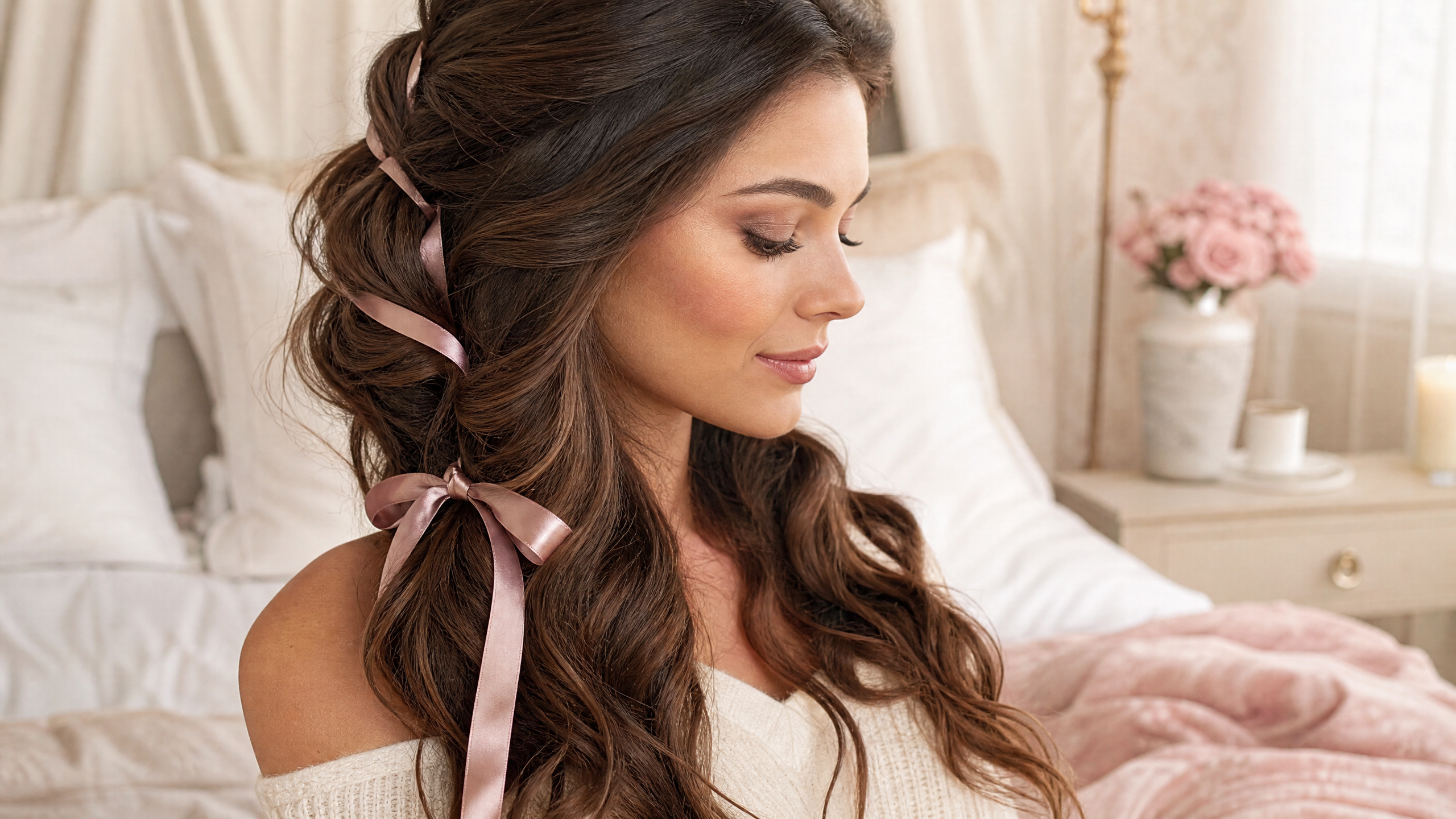
Curly hair updos strike a sweet spot between polished and relaxed. They help you look put-together without erasing the texture that makes your hair uniquely yours. Whether you have loose waves, springy ringlets, or tight coils, there are countless ways to gather your curls so they feel effortless rather than stiff or overly dressy.
In this guide you’ll find more than ten versatile updo ideas that honor defined texture, work with different curl patterns, and translate across seasons and occasions. I’ll explain the styling logic behind each look, who it suits, what products or accessories enhance it, and how to adapt each style for comfort and longevity. Expect practical pointers for humidity-friendly prep, shaping face-framing tendrils, and using tools like claw clips and pins to secure rather than flatten.
This isn’t about one-size-fits-all instructions. Curly hair is wonderfully diverse—South Asian styles, Caribbean influences, and global trends all offer inspiration—so I’ll suggest tweaks for different densities, lengths, and cultural touches. For persistent scalp, breakage, or product reactions, consult a hair professional. Otherwise, let these ideas empower you with updos that feel like you: textured, easygoing, and undeniably stylish.
Curly hair updos are not miniature versions of straight-hair styles; they have their own physics. Curls naturally create volume, texture, and grip, which means styles can be secured with fewer pins and less product if shaped thoughtfully. The goal is to preserve curl definition while controlling bulk—think of sculpting, not smothering.
Secure points: Identify 2–3 anchor points where pins or clips will do most of the work (nape, crown, and a side near the ear). Use those to create structure and allow remaining curls to cascade or frame the face. Texture as a feature: Emphasize defined texture rather than trying to smooth it away. Lightweight creams, gels, and serums that enhance curl shape are better than heavy waxes that flatten.
Adaptability: Consider how humidity, movement, and time affect the style. Loose styles with defined face-framing pieces often weather humidity better because they allow natural expansion. Conversely, tightly pinned styles can hold a silhouette longer but may require more touch-ups and can feel formal—so balance structure with softness.
Who it suits: Shoulder-length to long curls; medium to high density. Ideal for anyone who wants a classic look with a relaxed edge.
How to style: Part hair in the middle or slightly off-center. Gather hair low at the nape and twist into a loose bun, leaving 4–6 tendrils around the face. Secure the twist with bobby pins or a small hair tie, then pin the twist to the nape. Enhance curl definition on the tendrils with a small amount of curl cream and, if needed, a tiny drop of oil for shine.
Occasion, comfort & maintenance: Suitable for work, weddings, and casual outings. It’s comfortable for long wear and can be tightened or loosened during the day. To refresh, mist with water and scrunch the face-framing tendrils.
Season & adaptation: Great year-round. In humid months, use an anti-frizz serum to smooth flyaways; in winter, add extra hydration to avoid static. For short layers, keep more tendrils out and use a decorative pin to secure any stray pieces.
Who it suits: Short to medium lengths and afro-textured hair. Ideal if you want volume without pins.
How to style: Gather curls high on the crown using a wide, gentle elastic for a puff. Pull out soft ringlets around the hairline for a halo effect. Use a curl refresher spray to redefine curls and a lightweight gel to smooth the edges without crunch.
Color/fabric/shape notes: A bright scarf or silk headband can add contrast and keep edges neat. Opt for smooth fabrics at the hairline to prevent snagging.
Occasion & comfort: The high puff is comfortable and breathable—good for hot days and casual events. It also acts as a chic everyday look and translates well for dance nights or brunch.
Humidity-friendly prep: Hydrating leave-ins help curls resist shrinkage. Seal with an oil only if it doesn’t weigh roots down.
Who it suits: All curl types and lengths that are at least chin-length. Perfect for busy days when you want quick polish.
How to style: Section off the top half of your hair from ear to ear and secure it with a medium-to-large claw clip. Keep the bottom half free to showcase length and definition. If hair is slippery, twist the top section slightly before clipping to add grip and shape.
Product and accessory choices: Choose a claw clip that is wide and has good teeth for better hold—acetate or matte finishes are gentle on hair. Use curl-defining mousse on damp hair for long-lasting texture.
Maintenance & adaptation: Great for work, quick errands, or informal gatherings. To dress it up, choose a metallic or tortoiseshell clip; for a soft daytime look, pick pastel or translucent styles. This updo can be re-clipped throughout the day if curls loosen.
Who it suits: Defined ringlets and springy curls—great for medium to long lengths.
How to style: Create small sections and coil each into a corkscrew ring, pinning it flat against the head with U-pins. Leave the outer rows gently pulled for movement. The look reads vintage but keeps modern texture because the curls remain defined rather than flattened.
Comfort & maintenance: Since curls are pinned close to the scalp, this style is surprisingly secure and good for humid weather. It can last multiple days if maintained with a satin scarf at night. To refresh, lift individual curls and mist lightly.
Occasion & styling notes: Dress this up with a decorative hairpin or fresh flowers for a wedding. For a softer everyday version, leave more curls unpinned at the nape.
Who it suits: Medium to long hair; great for oval and heart-shaped faces that benefit from side framing.
How to style: Part deeply on one side and sweep hair into a low chignon positioned slightly to the side. Tuck and pin loose curls to create a soft, sculpted shape. Pull a few face-framing pieces for softness and set with a flexible-hold spray.
Color/fabric/shape tips: Fabrics like silk or satin scrunchies can be used to secure the chignon without creases. For highlighted hair, a side chignon shows off dimension particularly well.
Comfort & adaptation: Comfortable for day-to-night wear. For a casual twist, loosen the chignon and let more curls escape. In cooler months, the style pairs well with high-neck garments; in summer, it keeps the neck free and cool.
Who it suits: Mid-length to long textures with medium density. Works beautifully with layered curls and waves.
How to style: Create a loose, underhand braid along one temple toward the back and secure it across the crown to form a halo. Tuck the ends beneath the braid and pin. Allow the remaining curls to fall naturally, pulling a few pieces out for softness.
Why it works: The braid creates an elegant frame without compressing the crown, and the tousled finish celebrates curl volume. It’s a great option when you want something a touch romantic without full formal commitment.
Occasion & season: Ideal for garden parties, rehearsal dinners, and cultural celebrations that value ornamentation. Use hydrating products in dry seasons to prevent frizz, and a light gel if humidity threatens to loosen the braid.
Who it suits: Long curls and those with plenty of density. Also works for shoulder-length hair with extensions.
How to style: Pile curls into a high top knot, securing with an elastic and scatter bobby pins to hold shape. Pull out several spiral curls around the face and loosen the knot slightly for a lived-in look. A curl cream with flexible hold keeps spirals springy and reduces frizz.
Comfort & maintenance: High knots can be comfortable if placed not directly on the crown but slightly toward the back. This style is easy to refresh—re-securing the knot and re-spritzing tends to revive it.
Adaptations: For a more casual vibe, use a soft scrunchie that complements skin tone or outfit colors. To make it evening-appropriate, add a jeweled barrette or side comb.
Who it suits: Thick, long curls and coily textures that benefit from a contained silhouette.
How it style: Smooth hair into a low ponytail at the nape, then use a fabric doughnut or rolled-up sock wrapped in a soft cloth to form a bump-free bun. Tuck ends around and secure with pins. Pull a few curls loose around the hairline to keep the look soft.
Comfort & seasonality: This bun feels secure and sits well under scarves or stoles in colder months. In humid weather, the contained shape reduces frizz expansion and is practical for long days.
Product and fabric notes: Choose breathable fabrics for the sock or doughnut to avoid trapping heat or causing breakage. A leave-in conditioner before styling helps manage dryness.
Who it suits: Anyone with shoulder-length to long curls who prefers asymmetric detail.
How to style: Take two front sections from each temple, twist toward the back, and cross them into a low loop secured with pins. Let the rest of the curls flow. The double-twist offers visual interest without heavy pinning and creates flattering side framing.
Why it’s versatile: This approach can be worn with a sari blouse, jeans, or workplace attire. It converts easily into a half-up look by simply letting the lower loop fall free.
Maintenance & adaptation: Comfortable and low-tension. For formal events, add a string of small pearls woven into one twist; for everyday, keep products minimal to preserve bounce.
Who it suits: Medium to large curl patterns where the roots can be smoothed without losing shoulder-length volume.
How to style: Smooth the hairline edges with a light edge-control product while keeping the body of the hair full and defined. Pull hair into a mid-level ponytail or loose bun to show volume at the back, then set with lightweight hairspray.
Comfort & product choices: Use non-greasy edge products and apply sparingly. Finish with a micro-spray to reduce humidity frizz. This look reads polished without being formal because the body remains textured.
Occasion & adaptation: Perfect for formal work presentations, celebratory dinners, or cultural events where a neat hairline is preferred. To soften, loosen the back volume into a loose chignon and pull a few curls forward.
Start with length, density, and curl pattern. Shorter hair favors puffs, clips, and half-up styles; mid-length hair is a playground for braids, buns, and twists; long hair offers drama with full top knots and chignons. Next, match the look to your day: low, loose styles for casual and versatile wear; sculpted, pinned looks for events where you want a refined silhouette.
Consider comfort: High, tight structures can cause tension over time—choose slightly lower placements or use softer elastics. Think about climate: humidity-friendly prep (light gels, hydrating creams, anti-frizz serums) is essential in warm months; richer leave-ins and protective accessories like silk scarves help in dry weather. Finally, factor in personal expression—incorporate cultural elements (bindi-accessories for special occasions, delicate gajra flowers for South Asian looks, or bold clips for contemporary flare) while keeping the curl’s natural definition at the core.
Prep matters: Start with well-conditioned, detangled hair. Apply a leave-in that enhances curls and a light gel or mousse for hold—too much product weighs curls down. For fine hair, opt for volumizing mousses instead of heavy creams.
Tools and pins: Use coated bobby pins and long hairpins for denser textures. Claw clips are excellent for half-up styles and quick fixes. Avoid rubber bands—prefer soft elastics and scrunchies for less breakage.
Sleeping and longevity: Protect styles at night with a satin pillowcase or wrapped scarf to reduce friction. Pineapple loose styles or pin curls flat if you want to preserve shape. Refresh with a water-based curl refresher or a spray bottle and scrunch to reactivate products.
Face framing and balance: Always leave or create tendrils around the face to soften updos unless you want a deliberately sleek look. The position of a bun or knot changes perception—higher for elongation, lower for sophistication.
Professional help: If you’re trying a complex pinned style for an event, consider a trial run with a stylist—especially if you’ll be wearing cultural accessories or heavy ornamentation. For scalp or breakage concerns, a trichologist or trusted stylist can advise tailored treatments.
Curly hair updos offer infinite ways to celebrate texture without feeling overly formal. From claw clips and high puffs to pinned corkscrew curls and low chignons, the best styles honor curl definition, prioritize comfort, and adapt to season and occasion. Use lightweight products that enhance shape, secure strategic anchor points, and embrace face-framing pieces to maintain softness. With a few tools and a sense of playful experimentation, you’ll find looks that feel effortless and uniquely yours.
FAQ
Q: How do I keep curly updos from frizzing in humidity?A: Use a lightweight anti-frizz serum or silicone-free smoothing product focused on the hairline and mid-lengths. Start with hydrated hair and a light gel to keep curls defined; finish with a micro mist of hairspray. Reapply a little water and product to reshape rather than brushing.
Q: Can short curly hair be styled into updos?A: Yes—short curls can be styled into puffs, half-up clips, twisted crowns, or pinned curls. Accessories like small claw clips and decorative bobby pins help create structure while preserving texture.
Q: Will these styles damage my curls?A: When done gently—using soft elastics, fabric-covered tools, and minimal heat—these updos are low-risk. Avoid tight, prolonged tension and use protective products. For persistent breakage, consult a hairstylist.
Q: How do I maintain an updo overnight?A: Protect your style with a satin scarf or bonnet, or use a satin pillowcase. For loose styles, pineapple the hair; for pinned styles, carefully re-pin any loose sections in the morning and mist lightly.
Q: What products are best for defined texture without crunch?A: Look for curl creams, light mousses, and water-based gels labeled flexible-hold or soft-hold. Avoid heavy oils at the roots and too much pomade. Test small amounts to find the right balance between hold and softness.