Physical Address
304 North Cardinal St.
Dorchester Center, MA 02124
Physical Address
304 North Cardinal St.
Dorchester Center, MA 02124
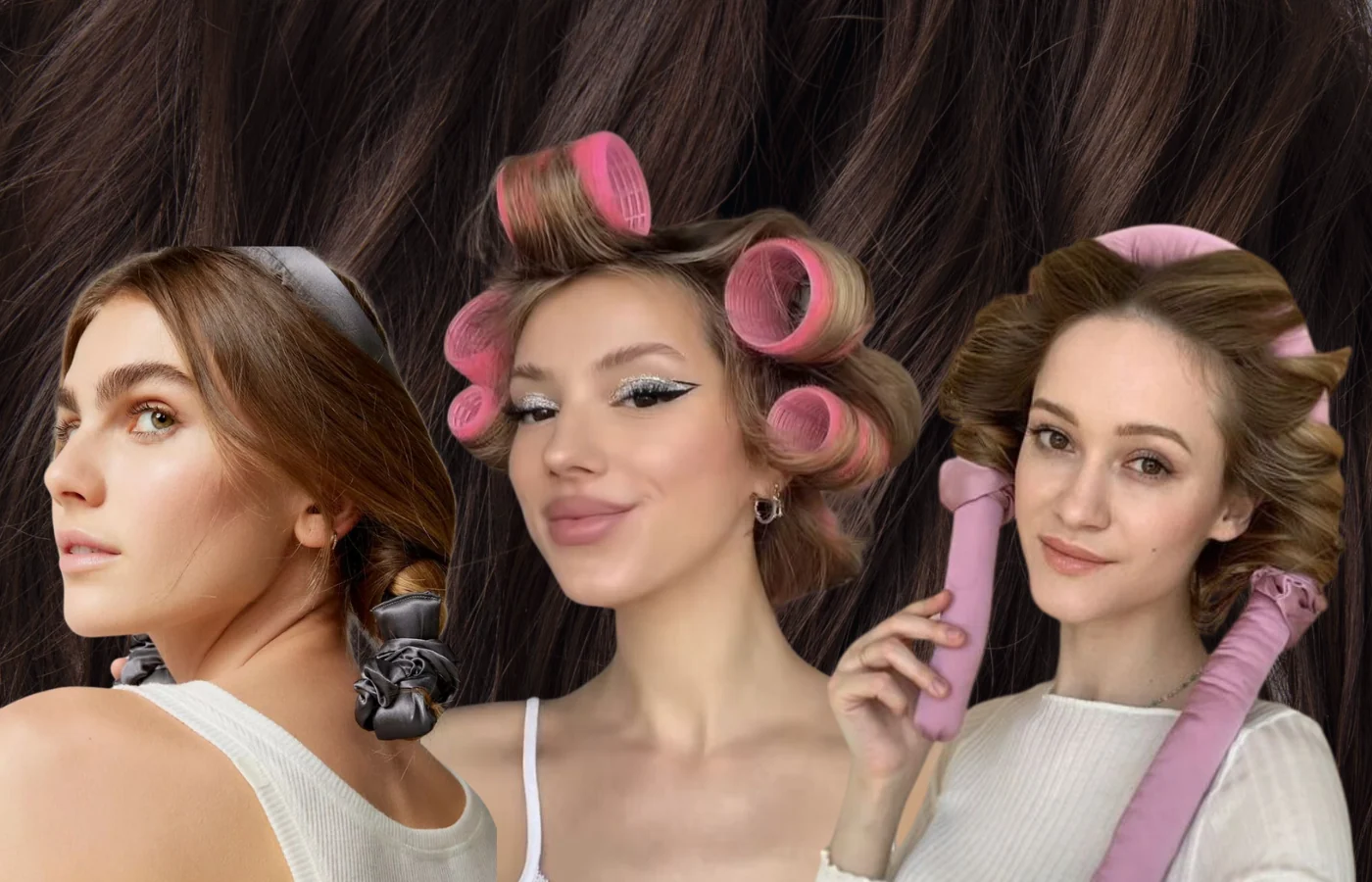
Heatless hairstyles are an elegant, low-maintenance approach to styling that can protect hair from thermal damage while delivering salon-worthy results. Whether you want soft, lived-in waves for daytime meetings, structured curls for a weekend date, or simply an easy way to wake up presentable, there are techniques to fit every hair type, length, and schedule. The goal is to shape hair gradually—often overnight—so texture forms without the drying, weakening effects of straighteners and curling irons.
This guide collects more than a dozen practical, wearable looks with step-by-step logic, comfort considerations, product suggestions, and adaptation tips. You’ll find braided waves, robe curls, twists, rollers, and a few inventive hacks that use nothing more than fabric, clips, and time. Each method highlights who it suits most, how to prep hair for best results, and seasonal or occasion-based tweaks.
Many people assume heatless styling is only for long hair; it’s not. Shorter lengths can benefit from mini-rollers, headband curls, or short twists, while textured or curly hair can use these techniques to enhance definition without breaking the curl pattern. Read on for clear options and realistic finishing tips so your morning routine becomes faster, kinder to your hair, and creatively varied.
Choosing the right heatless hairstyle starts with your hair’s natural texture, length, and how much time you’ll commit. Finer hair often needs more product for hold and softer waves to avoid looking limp; thicker hair holds shape but can be heavy, so work in smaller sections. Consider your morning routine—if you often rush, overnight methods like robe curls or a single large braid minimize fuss. If you have an important event, structured looks like sock curls or pin curls give more definition.
Think about fabric and accessories: satin or silk scarves reduce friction and frizz, while cotton can add texture and encourage a more lived-in wave. Sleep comfort is crucial—styles tied too tightly can cause headaches and dents. Also match the hairstyle to the occasion: loose waves read casual and romantic, while defined curls or polished twist-outs can look more formal. Finally, adaptability matters. Choose looks you can tweak—add a dry-texturizing spray for volume or smooth with a light serum for shine.
Good results begin before you twist or braid. Start with slightly damp hair—about 70–80% dry for many techniques—because evenly distributed moisture helps hair set without turning frizzy. Use a leave-in conditioner or a light mousse to give hold and reduce flyaways; avoid heavy oils before setting, as they can weigh the hair down and prevent curl formation. For coarse or very dry hair, apply a hydrating cream or a small amount of curl-activating product to help the wave pattern form without creating stiffness.
Finger-detangle or use a wide-tooth comb; smaller knots will make sections smoother and more uniform. Section hair according to the style—many looks work best divided into symmetric panels. If you sleep on your side or move a lot, tie hair in a loose, silk-lined high bun or use a soft pillowcase to reduce friction. Final note: give yourself a trial run before an important event so you can adjust tightness, products, and timing to your hair’s needs.
Robe curls—wrapping hair around the belt of a robe or a long, soft fabric strip—are a quiet overnight classic. Wrap even, medium-sized sections around the fabric, securing the end by tucking it under the belt loop or tying a soft knot. This method creates rounded, bouncy waves with a touch of volume at the roots when removed in the morning.
Who it suits: medium to long hair of all textures. Fine hair should wrap larger sections for gentler waves; thick hair needs narrower sections for uniform curl. Fabric choice matters: a satin or silk belt reduces frizz and increases sheen; cotton gives more texture. Comfort: distribute the belt across the crown or in a loose halo to avoid pressure points. Maintenance: refresh day two with a light mist of water and scrunch or re-twist a few pieces. Ideal for: weekday wear, brunches, or a soft romantic look.
Braids are the most versatile heatless method—single, double, or multiple braids can produce everything from loose beach waves to tight spiral curls. For voluminous, undone waves, do two loose braids on damp hair; for tighter ringlets, create multiple small three-strand braids or incorporate plaits like Dutch or French for varied textures.
Who it suits: almost everyone. Short hair can use mini braids; long hair can accommodate complex patterns. Product notes: use a light-hold styling foam for lasting shape. Fabric/shape: silk scrunchies at the ends reduce dents; flattening the braid slightly before sleeping distributes bulk for flatter waves. Comfort: keep tension gentle to prevent scalp pain. Adaptation: seasonally, braids are great in humid months because they reduce frizz; in winter, secure with a satin scarf to protect from static.
Twists (two-strand) and rope braids give a cleaner, more defined S-shape than loose plaits. To do a rope braid, split a section, twist each half inward, then twist the halves around each other in the opposite direction. The result is a sleek, spiral wave when released. Two-strand twists are quick and excellent for natural textures and protective styling.
Who it suits: medium to long hair; textured hair loves twists for enhanced definition. Product: a light gel or cream helps set the twist without crunch. Comfort: small sections increase definition but can feel tighter—avoid over-twisting at the roots. Occasion: precise, uniform waves from rope braids are great for polished daytime events, while softer two-strand twists are ideal for casual wear.
Using a clean sock or a fabric tube (often marketed as heatless curler tubes) gives uniform, spiral curls that look intentional and bouncy. Wrap small, even sections from tip to root and tuck the ends inside the tube. These tools compress into a compact, cushioned shape that’s easy to sleep on.
Who it suits: long to mid-length hair for the best spiral length. Fine hair gets tight spirals that may appear voluminous; thicker hair yields more structured curls. Fabric choices: cotton socks are accessible, but silk-lined tubes reduce frizz. Comfort: the tube sits across the head comfortably; adjust placement to avoid pressure points. Maintenance: unroll gently in the morning and separate curls with fingers for a softer finish. Great for special occasions where you want consistent curl placement.
Headband curls use a stretchy headband as the anchor—wrap front sections over and around the band to create polished waves that frame the face. It’s fast and doubles as a hair accessory. Turban-style wrapping uses a scarf or thin fabric to tuck and set multiple curls.
Who it suits: short to mid-length hair—particularly flattering for bobs and lobs. Use a soft, wide headband for more lifted, voluminous waves, and a narrow band for tighter, face-framing waves. Fabric and color: choose a headband pattern to coordinate with outfits—silk or satin headbands are ideal for reducing frizz and adding a luxe touch. Comfort: very comfortable for sleeping and excellent for last-minute styling. Occasion: great for casual outings, office days, or when you want a chic retro vibe.
Pin curls are a retro classic that deliver tight, elegant waves when set flat against the head with clips or bobby pins. Roll each small section into a loop and secure. This method takes longer but yields durable, defined curls that can be brushed into glamorous waves.
Who it suits: medium to long hair, and short hair with enough length for loops. Fine hair benefits from careful sizing—larger loops for softer waves. Product: use a light setting lotion to help the shape hold. Comfort: secure pins close to the scalp but not so tight they hurt. Maintenance: once opened, brush through for a polished finish and apply a light-hold spray. Ideal for formal events, photo-ready styles, or vintage-inspired outfits.
Bantu knots are small coiled buns that, when unraveled, create springy, textured curls with natural volume. Make uniform small knots across the head for consistent ringlets or vary sizes for a more eclectic look.
Who it suits: textured and curly hair types excel with this technique because it enhances natural curl pattern, but straighter hair can also use it for tight spirals. Product: use a curl cream or setting mousse for hydrating hold. Fabric: wrap each knot in a small satin scarf tie for extra sheen and reduced friction. Comfort: small knots can be slightly firm—loosen at the roots before bed if needed. Adaptation: micro-knots are great for formal looks, while larger knots read as casual and full-bodied.
Foam rods and soft rollers come in many diameters; they’re a more structured alternative to fabric methods. Roll dry-ish sections around the rod and secure with clips or by bending the rod. They’re fast to set and provide consistent curl size and shape.
Who it suits: all hair types and lengths—choose rod size to control final wave tightness. For beachy waves, use large rollers; for spiral curls, select smaller diameters. Comfort: foam options sleep well and are less likely to cause pressure. Product: a setting mousse helps longer hold. Maintenance: remove in reverse order, shake out and separate gently. Occasion: versatile—choose rollers for formal or everyday depending on size.
Even with cropped cuts, heatless styling is possible. Try mini braids, small headband wraps, or Bantu knots on short lengths. Twist small front sections behind the ear and pin for instant soft waves, or use tiny foam rollers at the crown to create lift.
Who it suits: pixies, short bobs, and asymmetrical cuts. Styling logic: small sections yield the most noticeable texture; avoid heavy products that weigh down short hair. Fabric and accessories: skinny scarves, clips, and decorative bobby pins can double as styling aids. Comfort: most short-hair setups are low-profile for sleep. Occasions: these hacks are excellent for professional settings where a tidy, styled look is preferred.
Heatless waves can be dressed up or down easily. For a polished evening look, start with tighter-setting techniques (sock curls or pin curls), brush out into glossy waves, and secure with a lightweight serum for sheen. Add jeweled clips or a sleek side part for formality. For daytime or a casual weekend, release loose braids or robe curls and separate the waves with fingers—add dry shampoo at the roots for lift and texture.
Color and fabric choices also affect formality: satin accessories read smarter; cotton or linen lends boho charm. For South Asian styling influences, pair soft waves with a satin scarf in a complementary sari border or use a small maang tikka-inspired pin to secure a front twist—small cultural touches can personalize the look without overwhelming it.
To refresh waves the next day, start by loosening sections gently with fingers rather than a brush to avoid frizz. If you need extra hold, mist a light salt spray or flexible-hold hairspray and scrunch to reactivate texture. For volume at the roots, flip hair upside down and give the base a quick, gentle shake or apply a dry shampoo for lift. To keep styles lasting two or three days, wrap hair loosely in a silk scarf at night and re-twist any pieces that flatten. Avoid overwashing—wash day can reset texture but also strip styling product; use co-washes or refreshing sprays to preserve shape between washes.
While heatless styling is generally safe, persistent breakage, thinning, or scalp irritation should prompt professional advice. A stylist can recommend section sizes, product strengths, and gentle anchoring methods tailored to your hair’s density and health. For color-treated or chemically processed hair, a pro can suggest compatible products that won’t cause fading or drying during overnight setting.
Heatless hairstyles are a practical route to style variety, healthier hair, and calmer mornings. From robe curls to pin curls, braids to foam rollers, each technique offers a blend of comfort, convenience, and control. The trick is matching the method to your hair’s texture, the occasion, and how you sleep. With a little experimentation, you can build a small repertoire of looks that keep your hair vibrant without constant heat—saving time, reducing damage, and giving you room to enjoy more styling possibilities.
FAQ
Q: Can heatless hairstyles damage my hair?A: Generally no—heatless methods minimize thermal damage. However, overly tight ties, repeated friction, or heavy products can cause breakage; keep tension moderate and use soft fabrics.
Q: How long should hair be for heatless styles to work?A: Many techniques work on mid-length and long hair; short styles can use mini-versions like headband curls or tiny rollers. Even pixie cuts can benefit from texture-enhancing products and strategic pinning.
Q: How do I make waves last longer?A: Use a light setting product during prep, set hair when slightly damp, and protect the style overnight with satin. Finish with a flexible-hold spray and avoid over-brushing.
Q: Are heatless styles suitable for textured or curly hair?A: Absolutely. Many methods enhance natural curl patterns—twists, Bantu knots, and braids can define texture while protecting hair; tailor product choice to hydration needs.
Q: What’s the best night-time protection for a new heatless style?A: Satin or silk pillowcases, bonnets, or scarves reduce friction and maintain shape. If you sleep actively, secure the style loosely and distribute pressure to avoid dents.