Physical Address
304 North Cardinal St.
Dorchester Center, MA 02124
Physical Address
304 North Cardinal St.
Dorchester Center, MA 02124

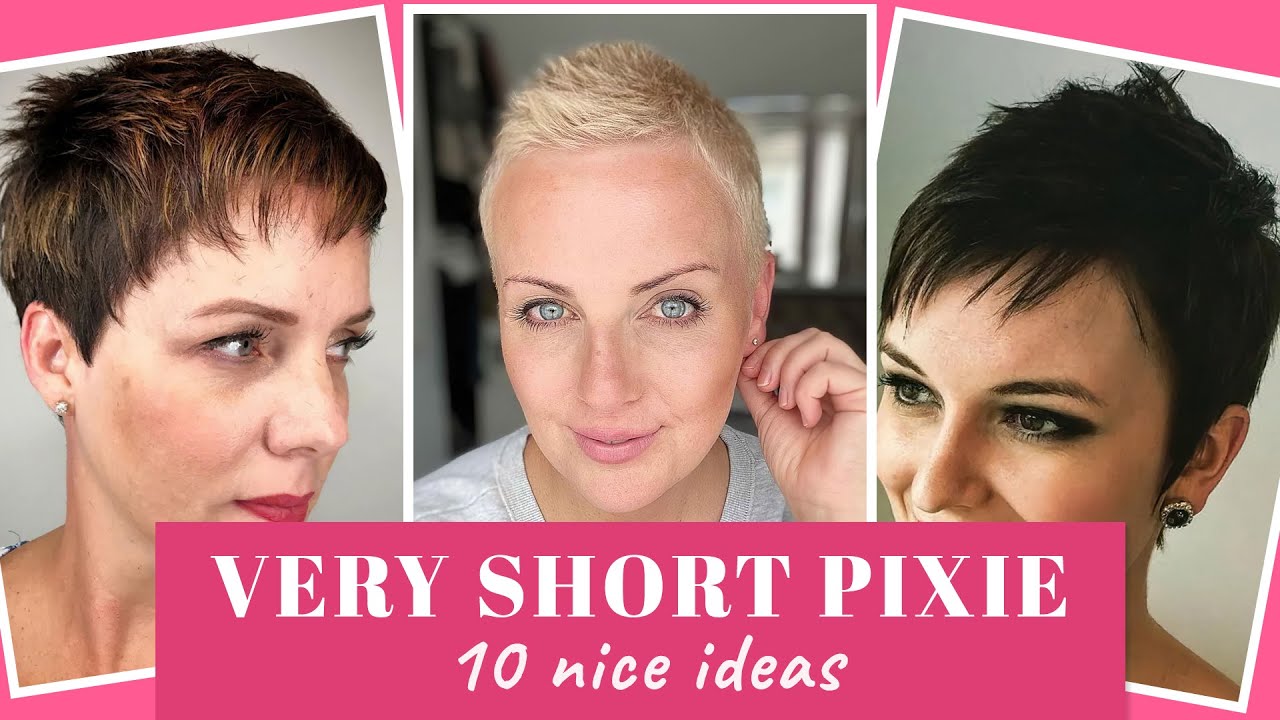
Short pixie cuts have been a perennial favorite because they combine boldness with femininity and require less daily fuss than longer hairstyles. Whether you’re after a soft, romantic silhouette or a modern, textured crop that reads effortlessly cool, short pixie cut ideas women can adopt span a wide range of shapes, lengths, and styling options. This article walks through flattering variations, styling logic, upkeep considerations, and practical tips so you can find a pixie that feels like you.
Choosing a pixie is as much about lifestyle as it is about face shape and hair texture. Some pixies are ultra-low maintenance—ideal for busy days or warm climates—while others use strategic layers, fringe, and product to create movement and polish. Color, too, plays a big role: subtle highlights or a single-tone shade can emphasize cut lines, while bolder colors amplify personality.
Below you’ll find thoughtful short pixie cut ideas women with different features and routines can wear confidently. I include styling notes, who each look suits, seasonal and occasion tips, and maintenance guidance. If you’re considering a dramatic change, bring photos to your stylist and be open to slight adjustments that suit your hair’s natural pattern.
A soft pixie emphasizes gentle layering and rounded edges for a very feminine, almost vintage-inspired vibe. Layers are cut to frame the face without appearing too blunt, and the overall silhouette is soft rather than choppy.
Who it suits: This style flatters oval, heart, and softer square face shapes. It’s especially lovely on fine to medium hair because the layers add perceived volume.
Styling & products: Use a light cream or serum to smooth flyaways, and a bit of volumizing mousse at the roots when towel-drying to encourage lift. A round brush and low-heat blast can further shape the front pieces.
Maintenance: Expect a trim every 6–8 weeks to keep the soft edge. Color work (subtle balayage or a gloss) can be refreshed every 8–12 weeks.
When & how to adapt: The soft pixie is seasonless—add a beanie for winter or a headband for summer festivals. To make it edgier for evening, increase texture with a matte paste on the crown.
The textured crop embraces deliberate choppiness and lived-in texture for an energetic, modern look. Ends are razored or point-cut so movement is emphasized.
Who it suits: Round and square faces benefit from the added height and distraction of texture; it also works on thicker hair types that need de-bulking.
Styling & products: A salt spray or texturizing spray applied to damp hair then air-dried or diffused produces ideal grit. Finish with a matte clay to define pieces.
Maintenance: Trims every 4–6 weeks preserve the sharp texture. Heavy layering can mean a bit more styling time each morning to maintain shape.
Season & occasion: This crop transitions well from casual days to nights out. In humid weather, heavier clays can tame frizz; in dry climates, a hydrating mist keeps texture soft.
Adding a fringe to a pixie immediately softens the forehead and creates an almost supershort bob effect. Fringes range from wispy to full, and their length can dramatically alter the look.
Who it suits: Side-swept fringe suits most faces; straight-across micro-fringes flatter round faces by shortening the forehead visually, while long, side fringes are great for hiding a wide forehead or asymmetries.
Styling & products: A light-hold hairspray and a flat iron for touch-ups will keep the fringe lying properly. Use a heat protectant and a small round brush when blow-drying.
Maintenance: Fringe trims are needed more frequently—every 3–4 weeks. Consider a softer, feathered fringe if you prefer less frequent upkeep.
Adaptations: For a formal event, sweep the fringe to the side and pin with a decorative clip; for casual looks, loosen with fingers and add texture.
An undercut pixie removes weight at the nape or temples, creating contrast between short shaved areas and longer top layers. It’s stylish and surprisingly practical for warm months.
Who it suits: Works well on oblong and oval faces; the undercut can balance length by reducing visual bulk at the back. Also ideal for people who relish bold styling statements.
Styling & products: Keep longer top sections textured with a paste or cream. The shaved sections require no product but consider a scalp moisturizer if you’re prone to dryness.
Maintenance: Regular visits to touch up the undercut every 3–6 weeks keep lines crisp. The top portion usually needs trimming every 6–8 weeks.
Season & comfort: Perfect for summer: cools the neck and reduces heavy damp hair. For conservative workplaces, the undercut can be hidden under a scarf or styled to appear more conservative.
A pixie with elongated top layers keeps the short sides but allows longer hair on top for styling versatility. You can sweep it to the side, push it back, or add waves.
Who it suits: Very adaptable—works on most face shapes, especially heart and oval faces. The extra length on top offers more styling control for those undecided about going very short.
Styling & products: Use a lightweight wax to sculpt the top without weighing it down. A volumizing powder can provide lift for fine hair.
Maintenance: Trims every 6–8 weeks for uniform shape. If you like to grow the top out, extend trims to shape the sides and back while preserving length.
Adaptations: Add color dimension with subtle highlights to accentuate the top layers, or try a glossy finish for a polished evening look.
Curly pixies celebrate natural curl pattern, with shorter sides and slightly longer curls on top. The cut should be tailored to curl size to avoid unwanted bulk.
Who it suits: Ideal for textured, curly, and coily hair. Adjust the length of top layers to control volume—shorter for tighter coils, longer for looser curls.
Styling & products: Apply a leave-in conditioner or curl cream to wet hair and scrunch. Use a microfiber towel and diffuse on low heat if needed. Avoid heavy oils that weigh down curls.
Maintenance: Schedule a de-frizz refresh every 6–8 weeks. Shape cuts for curls often require a looser timeline because curls can hide length changes.
Season & care: Humidity affects curls—use anti-frizz serums in humid months and richer creams in dry weather. Regular deep conditioning helps maintain curl elasticity.
The sleek pixie is tailored, smooth, and intentionally glossy. Clean lines at the nape and around the ears emphasize facial structure and pair well with minimal makeup.
Who it suits: Best for oval and long faces that benefit from a refined silhouette. Fine hair can look exceptionally chic when smoothed flat.
Styling & products: A smoothing serum plus a fine-tooth comb will create the sleek finish. Light pomade or shine spray helps lock everything in.
Maintenance: Frequent trims every 4–6 weeks preserve the sleek cut. Color glosses can add shine between color appointments.
Occasions: This is perfect for professional settings or formal events. To make it more playful, add a textured crown or deep side part.
Tapered pixies use graduated lengths that shorten toward the nape and ears, creating a clean, tapered effect that’s understated yet stylish.
Who it suits: Flattering for most face shapes, especially rectangular and oblong, because tapering shortens length visually. Heavier hair feels lighter with this shape.
Styling & products: A lightweight cream helps blend layers. If you want lift, apply a root-lifting spray on damp hair and blow-dry upward.
Maintenance: Expect trims every 5–7 weeks to keep the taper defined. The shorter perimeter often needs more frequent shaping.
Season & versatility: The tapered look is practical year-round and can be dressed up with accessories like minimalist hairpins or headscarves.
Asymmetry brings an instant fashion-forward edge—longer on one side, shorter on the other, sometimes paired with a deep side part.
Who it suits: Great for those with angular or heart-shaped faces who want an editorial flair. It can also help balance facial asymmetries by adding visual interest.
Styling & products: A sculpting paste helps define the longer side, while a setting spray keeps the shorter side in place. A deep part and slight volume opposite the longer side balance proportions.
Maintenance: Trims every 4–6 weeks to keep the asymmetry crisp. If you’re experimenting for the first time, ask your stylist to start subtle.
Adaptations: Bold colors or metallic highlights can emphasize the asymmetry for an artsier aesthetic. For conservative settings, sweep the longer side across to soften the look.
Short pixies can feel ageless; when cut with soft edges and light layers, they read as elegant and youthful without being trendy.
Who it suits: Mature women who prefer low maintenance but desire a refined silhouette. Soft pixies can disguise thinning hair by focusing on texture and shape.
Styling & products: A lightweight volumizer or root-lift spray applied at the roots gives natural fullness; finishing with a shine mist creates a healthy appearance.
Maintenance: Regular trims every 6–8 weeks keep the shape. Scalp-friendly shampoos and conditioners preserve hair health.
Season & comfort: This cut works well across seasons and is practical for those who prioritize comfort and ease over intricate styling.
Short pixie cut ideas women from South Asian backgrounds can adapt to include textured layers that work with varied hair densities and celebrate personal style. Consider playing with soft side-sweeps, subtle highlights that complement warm skin undertones, or using statement hair accessories like delicate maang-tikka-inspired clips for formal wear.
Who it suits: Adaptable to diverse face shapes and hair types common across South Asia—from straight to wavy to curly. The key is to discuss hair density and desired maintenance with your stylist.
Styling & products: Lightweight serums can tame frizz, while salt sprays add modern texture. For festive occasions, use embellished pins or bandanas that pair with sarees, kurtis, or fusion outfits.
Maintenance & cultural usability: Frequent trims maintain neatness if you wear strong traditional jewelry that rests near the hairline. The pixie also offers comfort in hot climates and layers easily under dupattas or scarves without bulk.
Selecting among short pixie cut ideas women should consider five core factors: face shape, hair texture, lifestyle, styling skill/interest, and desired maintenance level. Start by defining how much daily styling you want to commit to—ultra-short or closely shaved styles are lower-maintenance, while layered, textured pixies may need daily products and shaping.
Face shape guidance:
Hair texture matters: Straight hair benefits from razored ends for movement; wavy hair looks lush in layered crops; curly/coily hair needs longer top layers to control volume. Discuss cowlicks, natural parting, and hair density with your stylist—these will influence the final shape.
Think about your wardrobe and lifestyle—workplace dress codes, climate, and how often you want to visit the salon. Bring images that capture the vibe you love, not necessarily the exact cut, and ask your stylist to tailor lengths and layers to your routine.
For scalp or hair health concerns—thinning, persistent irritation, or sudden changes—consult a dermatologist or trichologist. A skilled stylist can suggest cosmetic adjustments but not medical diagnoses.
Short pixies are flexible: for daytime, opt for airy texture and minimal product; for work, smooth sides and a neat part read professional; for evenings, play with shine serums, deep side parts, or decorative clips. Pixies also adapt to active lifestyles—slick back with gel for workouts or use sunscreen on exposed scalps during sunny days.
Color can accentuate the cut. Soft balayage or baby lights add depth without frequent root touch-ups. Single-tone shades, like a rich brunette or platinum blonde, create a statement. For textured crops, lowlights in the crown add dimension. When choosing color, consider maintenance: fashion shades will need more frequent salon visits and at-home care.
If you decide to grow your pixie, plan transitional cuts—longer layers at the top and tapered sides—to avoid the awkward stages. Regular trims every 6–8 weeks maintain shape and remove split ends. Use styling products to create texture and disguise uneven growth, and consider growing toward a short bob if you prefer more length.
Use descriptive words—soft, choppy, tapered, textured—rather than ambiguous terms like “edgy.” Show photos and discuss daily routines so the stylist recommends suitable lengths. Ask about the cutting techniques (point cutting, razor, scissor-over-comb) and how they align with your hair texture. Clarify trim timelines and potential follow-ups for shaping.
Short hair benefits from regular conditioning and gentle styling. Use a moisturizing shampoo if your scalp feels dry, and a light conditioner to prevent weighing down fine hair. Avoid over-washing: many pixies do well with every-other-day washing; dry shampoo refreshes roots between washes. Protect from heat and sun; short hair exposes the scalp, so consider SPF scalp sprays if you spend long periods outdoors.
Short pixie cut ideas women can wear are abundant—ranging from understated soft pixies to daring undercuts and textured crops. The right choice balances your face shape, hair texture, lifestyle, and personal style. Tell your stylist what you enjoy about your current hair, be realistic about maintenance, and choose a look that you can adapt for work, weekend, and special events. With the right cut and a few go-to products, a pixie can be liberating, versatile, and timeless.
Frequently Asked Questions
Q: Will a pixie suit my face shape?A: Many pixie styles can be adjusted to flatter different face shapes. Oval faces are most versatile; round faces benefit from added height or asymmetry, while square faces often look great with softer edges or fringe. Consult with your stylist for a tailored approach.
Q: How often should I trim my pixie?A: Generally every 4–8 weeks depending on how sharp you want the lines and how quickly your hair grows. Shorter, more sculpted styles need more frequent trims.
Q: What products are essential for a pixie?A: A lightweight texturizing spray or salt spray, a small matte paste or wax for definition, a smoothing serum for polished styles, and heat protectant for occasional flat-ironing.
Q: Can textured or curly hair work with a pixie?A: Absolutely. Pixies can be cut specifically for curl patterns—longer layers for looser curls and shorter shaping for tighter coils. Discuss moisture needs and shrinkage with your stylist.
Q: How do I transition my pixie into a longer hairstyle?A: Plan for staged trims to maintain flattering shape while growing, and consider growing into a cropped bob to avoid awkward lengths. Regular trims every 6–8 weeks help keep the style tidy during the process.