Physical Address
304 North Cardinal St.
Dorchester Center, MA 02124
Physical Address
304 North Cardinal St.
Dorchester Center, MA 02124

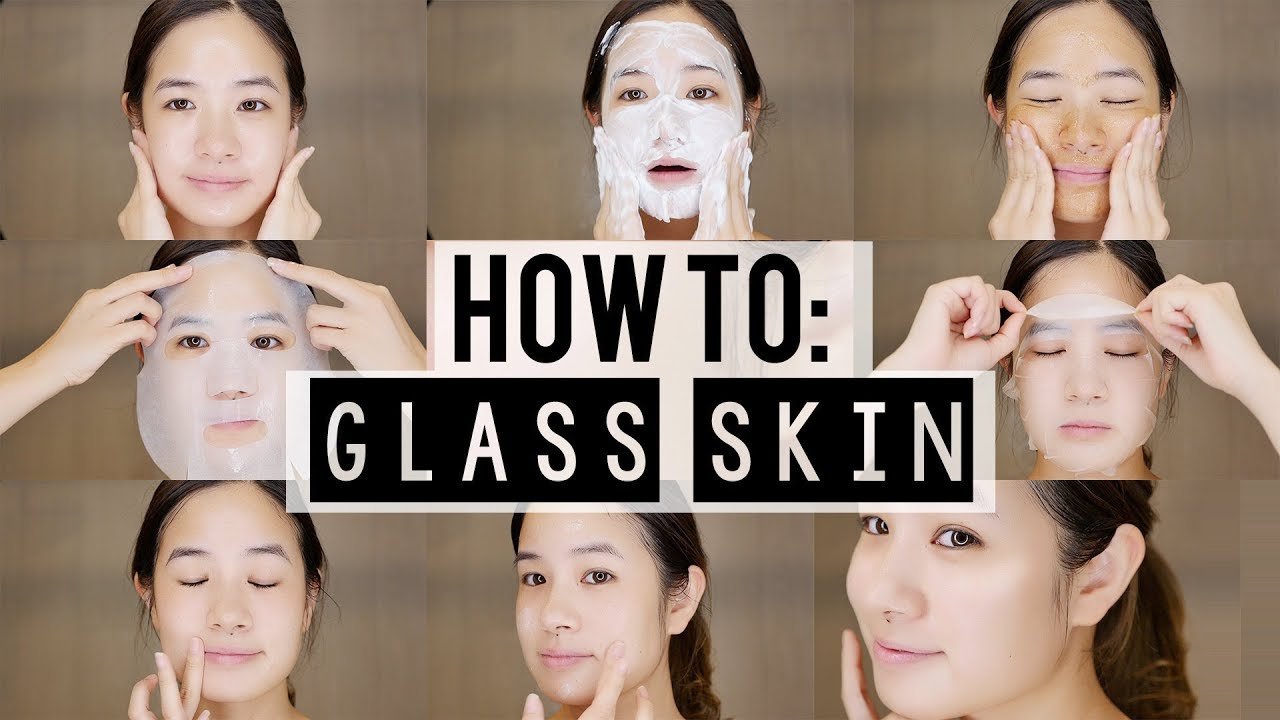
The “glass skin routine” has become synonymous with luminous, clear, and intensely hydrated skin — the kind of complexion that looks like light gliding across a smooth, even surface. Originating from Korean beauty philosophies that emphasize prevention, gentle care, and layering hydration, the approach is less about harsh treatments and more about consistent, thoughtful rituals. This article breaks down more than ten approachable steps you can adapt to your skin type, lifestyle, and climate so your skin looks healthy and dewy without feeling oily.
Glass skin is not a one-size-fits-all prescription. It’s a set of principles: barrier-first care, hydrated layers, minimal irritation, and sun protection. Whether you have dry, oily, combination, acne-prone, sensitive, or melanin-rich skin, the tools and sequence here can be modified to support your unique needs. We’ll cover gentle cleansing, smart layering, targeted treatments, sunscreen basics, and how to make makeup play nicely with a dewy finish.
Throughout, expect practical advice on product textures, seasonal tweaks, and how to manage sensitivities. Where appropriate, I’ll note when to consult a dermatologist — especially for persistent concerns like severe acne, rosacea, or eczema. The goal: an inclusive, adaptable routine that helps your skin look fresh, dewy, and genuinely healthy.
A gentle double cleanse clears away makeup, sunscreen, and daily grime without stripping natural oils. Start with an oil-based cleanser or cleansing balm to dissolve sunscreen and makeup. This step is particularly helpful if you wear heavy foundation or long-wear makeup. Follow with a water-based cleanser to remove sweat and remaining impurities.
Who it suits: everyone, especially those wearing sunscreen or makeup daily. Sensitive skin types should choose fragrance-free, low-foaming options.
Product tactile notes: oil cleansers should glide and emulsify with water; water-based cleansers should feel creamy or gel-like rather than tight. Avoid excessive foaming formulas that can disrupt the barrier.
How to adapt: in humid seasons, a lightweight gel second cleanse works well. In cold weather, choose a creamy, hydrating second cleanser to prevent dryness.
Frequency & maintenance: double cleanse nightly; single cleanse in the morning with a gentle water-based formula if you didn’t wear heavy products overnight.
Exfoliation smooths texture and helps serums penetrate, but overdoing it will harm the barrier. Opt for chemical exfoliants like low-percentage AHAs (glycolic, lactic) or BHAs (salicylic) depending on skin concerns. Lactic acid is a moisturizing choice for dry or sensitive skin; salicylic acid suits oily or acne-prone complexions.
Who it suits: ideal for those with dullness, texture, or clogged pores. Sensitive or reactive skin should patch-test and start with once-weekly use.
Application tips: apply after cleansing and before hydrating layers. If layering actives (vitamin C, retinol), alternate evenings to avoid irritation.
Seasonal tweak: reduce frequency in winter to once every 7–14 days if your skin is prone to dryness. In summer, you may increase to twice weekly if skin tolerates it.
Toners in the K-beauty sense are not astringent; they’re lightweight liquids that rebalance pH, add a first hit of hydration, and prepare the skin for subsequent products. Look for toners with humectants like glycerin or hyaluronic acid and soothing ingredients like panthenol or niacinamide.
Who it suits: universally useful, especially for those who want better absorption of later products or live in dry environments.
How to apply: press toner into the skin with your palms or dispense onto a cotton pad for targeted areas. Avoid alcohol-heavy formulas that dry out the skin.
Adaptation: if your skin is extra sensitive, use a minimal, fragrance-free hydrating mist instead of a traditional toner.
Essences are lightweight, water-based liquids designed to layer hydration and improve tone and texture. They’re a staple in many Korean routines for adding moisture without weight. Think of essences as the bridge between toner and serums.
Who it suits: those seeking a dewy finish and improved skin elasticity; good for all ages and especially beneficial for dehydrated or mature skin.
Texture and product notes: choose an essence that feels silky and absorbs quickly. Ingredients like hyaluronic acid, fermented extracts, and antioxidant-rich botanicals can support luminosity.
How to adapt: in hot climates, use a lighter essence; in cold climates, follow with a richer serum or ampoule to lock in moisture.
This is where you treat specific concerns: brightening, acne control, rosacea, hyperpigmentation, or firmness. Maintain a simple approach: one to two targeted serums layered thin-to-thick.
Who it suits: anyone with focused skin goals. For melasma or hyperpigmentation, look for niacinamide combined with gentle brighteners; for fine lines, peptides and low-dose retinol (introduced gradually) work well.
Layering order: watery serums first, then thicker, oilier ones. Wait a minute between layers to let each product set.
Sensitivity caution: introduce potent actives slowly and patch-test. If irritation occurs, pause and see a professional.
Moisturizers create the final hydrating barrier. For a glass skin finish, choose a moisturizer that offers hydration and barrier support but won’t mattify the skin overly — you want a healthy sheen, not slick oil.
Who it suits: all skin types can find suitable textures: gel-creams for oily/combination, cream-gels for normal, and richer creams for dry skin.
Key ingredients: ceramides, fatty acids, glycerin, and squalane. These support barrier repair and help maintain the glass-like sheen.
How to adapt for seasons and make-up: in summer or humid climates, opt for gel formulas; in winter, switch to a slightly richer cream. For makeup days, pick a moisturizer that absorbs in 60–90 seconds to prevent pilling.
Facial oils can add luminous depth when applied sparingly as the last step of your nighttime routine or mixed into daytime moisturizer for a subtle glow. Oils seal in moisture and can soften the surface light-reflecting qualities of the skin.
Who it suits: best for normal to dry skin; oily or acne-prone skin can still benefit from lightweight oils like squalane or chia seed oil applied in small amounts.
How to apply: warm a drop between fingers and press onto skin; avoid rubbing. For oily skin, apply oil only to the cheek area or mix a single drop into your moisturizer.
Maintenance: oils can reduce the need for heavy moisturizers; watch for comedogenic ingredients if you’re acne-prone.
Daily sun protection preserves skin tone and prevents texture changes that undermine the glass finish. Use broad-spectrum sunscreen every morning, even on cloudy days, and reapply every two hours outdoors.
Who it suits: everyone. For melanin-rich skin, sunscreen prevents uneven darkening and protects against photoaging.
Formula tips: for a dewy look, try hydrating chemical sunscreens or mineral sunscreens formulated with luminous finishes. For oily skin, lightweight gel sunscreens that leave a slight sheen work well under makeup.
Compatibility with makeup: let sunscreen absorb for at least 60 seconds before applying primer or foundation to avoid pilling. Press, don’t rub, sunscreen into the skin for a more natural finish.
A true glass skin effect can be enhanced with makeup, but it starts with skincare. Choose light-coverage, hydrating foundations or tinted moisturizers that enhance rather than conceal. Use cream highlighters and dewy setting sprays to accentuate high points without glitter.
Who it suits: anyone wanting a polished everyday look. Melanin-rich tones can use cream highlighters in champagne, bronze, or warm gold, depending on undertone.
Products and techniques: apply foundation with a damp sponge for a blurred finish. Use minimal powder—focus only on the T-zone if needed. For longer wear, layer a light powder only where makeup creases.
Adapting for occasions: for evening events, build translucency with light-reflecting setting sprays and a touch of liquid highlighter on cheekbones. For humid days, opt for oil-control primers in targeted areas while keeping cheeks fresh.
If your skin is reactive, the path to glass skin begins with repairing the barrier. Reduce actives, increase soothing ingredients (niacinamide, panthenol, oat extract), and keep routines minimal until the skin calms.
Who it suits: reactive, rosacea-prone, or eczema-prone skin. Also important for anyone recovering from over-exfoliation.
Practical steps: stop exfoliants for 2–4 weeks, focus on moisturizers with ceramides, and use lukewarm water. Introduce one product at a time and patch-test.
When to seek help: persistent redness, burning, or open lesions warrant dermatologic advice. Barrier repair accelerates once inflammation is controlled.
A glass skin routine works best alongside sleep, hydration, and a balanced diet. Collagen-supporting nutrients, antioxidants from whole foods, and consistent sleep cycles help skin regenerate and glow.
Who it suits: everyone. Lifestyle changes are especially impactful for those with chronic fatigue, frequent travel, or high-stress jobs.
Practicalities: aim for regular hydration, eat colorful vegetables and healthy fats, and limit excess sugar and alcohol. Manage stress with simple rituals — short walks, breathing exercises, or skincare time as self-care.
Adaptation: busy schedules can focus on small wins: a hydrating mask once or twice weekly, or a stronger emphasis on sunscreen and moisturizer when time-crunched.
The ideal glass skin routine changes with the seasons. In winter, emphasize occlusives and richer creams; in summer, reduce heavy oils and increase lightweight serums and mists. Humidity levels affect absorption and the risk of congestion.
Who it suits: all skin types, with tailored adjustments. For example, melanated skin may need extra hydration in summer due to increased sun exposure and sweating that can strip moisture.
Specific swaps: switch from a gel-cream to a cream in colder months; add barrier-supporting ingredients like fatty acids. Use antioxidant-rich serums in fall and spring when allergies can increase inflammation.
Maintenance: reassess every few months. If you notice more flaking or redness, step up hydrating and calming products.
Choosing the right glass skin approach depends on your skin type, lifestyle, and the finish you want — natural sheen versus lit-from-within glow.
Choose products with short ingredient lists if you’re prone to reactions, and prioritize brands with transparency about formulations.
For persistent concerns — recurrent acne, severe dryness, or pigmentary issues — consult a dermatologist to tailor treatments safely.
South Asian beauty traditions often emphasize oils, gentle herbal extracts, and ritual care — practices that align well with glass skin principles. Ingredients like turmeric (in moderation), sandalwood, and lightweight plant oils can be incorporated thoughtfully.
Who it suits: those who celebrate cultural rituals and prefer natural adjuncts. However, be cautious with high concentrations of certain spices or DIY masks if you have sensitive or pigmented skin, as some ingredients can cause irritation or post-inflammatory hyperpigmentation.
Styling logic: in South Asian wardrobes, pairing dewy skin with breathable fabrics—linen, cotton blends, and lightweight silks—keeps comfort high and prevents sweaty congestion. Warm, earthy makeup shades and strategic luminizing on the high points complement traditional ensembles without overpowering them.
Adaptation: match your skincare texture to cultural wardrobe choices — heavy saris or layered outfits in humid climates benefit from lighter skincare layers; cooler weather festive looks allow richer moisturizing steps to come forward.
A radiant, glass-like complexion is achievable through steady, barrier-focused care, thoughtful layering, and sensible sun protection. The Korean-inspired glass skin routine is less about chasing perfection and more about creating a reliable framework that keeps skin healthy and luminous. Tailor these steps to your skin type, climate, and lifestyle, and remember that patience and consistency yield the best results. If your skin shows signs of irritation or you have persistent issues, seek a professional for personalized guidance.
Final checklist: cleanse gently, exfoliate with care, layer hydration light-to-heavy, protect with sunscreen, and adjust seasonally. Keep rituals joyful and sustainable — skincare is self-care, not a punishment.
FAQ
Q: How long until I see results from a glass skin routine?A: You may notice improved hydration and glow within a week; meaningful changes in texture and clarity typically take 4–12 weeks with consistent care.
Q: Can oily or acne-prone skin achieve glass skin?A: Yes. Opt for lightweight, non-comedogenic textures, gel moisturizers, targeted oil-controlling ingredients, and balance hydration to prevent overproduction of sebum.
Q: Do I need to use all of these steps every day?A: No. Core daily steps are cleansing, hydration (toner/essence/serum as needed), moisturizer, and sunscreen. Exfoliation and masks are weekly or as tolerated.
Q: Are facial oils safe for sensitive or melanin-rich skin?A: Some lightweight oils like squalane are generally well-tolerated. Patch-test new oils and avoid fragranced or comedogenic oils if you’re sensitive or acne-prone.
Q: How do I make makeup and skincare work together for a lasting dewy finish?A: Allow moisturizers and sunscreen to absorb fully, use a hydrating primer if needed, pick lightweight, buildable complexion products, dab cream highlighters on high points, and set minimally with a dewy setting spray.