Physical Address
304 North Cardinal St.
Dorchester Center, MA 02124
Physical Address
304 North Cardinal St.
Dorchester Center, MA 02124

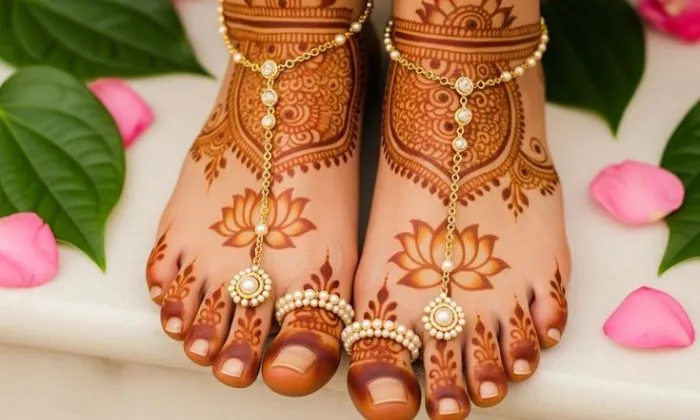
Mehndi, with its ancient roots and contemporary versatility, remains a go-to adornment for hands across celebrations and everyday style moments. Whether you’re preparing for Eid, a wedding function, or simply craving a low-commitment floral accent, simple mehndi designs for hands can deliver elegance without the hours-long application. This guide walks through approachable motifs, styling logic, maintenance and aftercare, and how to adapt looks to different outfits, skin tones, and comfort levels.
Minimal designs favor negative space and single-line work, making them ideal for first-timers or busy schedules. Festive patterns add bolder florals and mandala-inspired elements while keeping overall coverage light—perfect for balancing tradition with modern aesthetics. You’ll find design ideas that suit short or long nails, various sleeve lengths, and both daytime and evening events.
Throughout, I’ll touch on practical details: which hues of mehndi stain are realistic, how fabric and jewelry choices affect the finished look, and tips to keep your henna crisp and long-lasting. If you have sensitive skin, persistent irritation, or questions about synthetic additives in pastes, consult a dermatologist or professional mehndi artist for tailored advice.
Below are more than 15 curated ideas—each with styling guidance, who it suits, and easy adaptations to make the design your own.
A single, well-placed flower provides an elegant focal point without cluttering the hand. Use a medium-sized rose or lotus motif centered between the wrist and knuckles, finished with a few trailing leaves.
Who it suits: Minimalists, professionals, and anyone wanting a subtle cultural nod without full coverage.
Styling logic: This design pairs beautifully with short sleeves, statement rings, or a single bangle. It creates balance when wearing heavily embroidered sleeves by keeping the hand understated.
Color/fabric/shape notes: The medium stain of natural henna complements both light and deep fabrics—think ivory kurtas or jewel-toned sarees. Oval or almond nails help maintain the soft organic look.
Comfort and maintenance: Because the design avoids fingers, it’s practical for frequent handwashing. Reapply oil at night if the stain begins to fade.
Season and occasion: Great for daytime Eid gatherings, a casual mehndi party, or as a bridal minimal option.
How to adapt: Add a fine dot chain toward the fingers for a slightly more decorative look without losing simplicity.
Tiny circular or chain-like motifs around one or two fingers mimic ring jewelry and are perfect when you want henna that is almost jewelry-like.
Who it suits: Professionals, bridesmaids, and people who prefer discreet body art.
Styling logic: These designs pair seamlessly with real rings and delicate bracelets, avoiding visual conflict with ornate outfits.
Color/product notes: Use a fine-tipped cone for crisp lines. Keep the stain medium—too dark can make the rings look heavy.
Comfort and maintenance: Minimal surface area means faster drying. Avoid scrubbing the finger creases to prolong the stain.
Season and occasion: Excellent year-round, especially for wedding rehearsals or intimate celebrations.
How to adapt: Link multiple fingers with tiny dot chains for a cohesive hand spread.
A partial mandala placed on the side of the palm or near the thumb gives symmetry without covering the whole palm. Focus on petal work, small dots, and curved lines.
Who it suits: Those who like geometric balance but dislike full-palmed designs.
Styling logic: Works well with sleeved outfits or ring-heavy looks—eye-catching yet controlled.
Color/fabric/shape notes: Contrast looks lovely on both cotton kurtas and silk blouses. Rounded nail shapes enhance the mandala’s flow.
Comfort and maintenance: Since the inner palm sweats more, expect lighter staining; keep paste on longer and avoid water contact during setting.
Season and occasion: Festive enough for Eid and mehndi functions, but simple enough for daily wear.
How to adapt: Mirror the slice on the other hand for a coordinated yet airy look.
A wrist band composed of winding vines and leaves offers a bracelet effect with breathable negative space. Vary leaf size for a handcrafted feel.
Who it suits: People who enjoy jewelry-like mehndi that won’t interfere with hand tasks.
Styling logic: Pairs beautifully with bangles or watches, especially when placed above a cuff or sleeve hem.
Color/fabric/shape notes: Lightweight fabrics like chiffon and georgette work well because the wrist placement is visible; metallic accents in clothing highlight the bracelet effect.
Comfort and maintenance: Because this sits away from the palm, it dries quickly and is low maintenance.
Season and occasion: Everyday wear to semi-formal events; can be dressed up with additional finger motifs for weddings.
How to adapt: Make the band thinner for a more subtle look, or add tiny blooms to each leaf junction for increased festivity.
Start with a small cluster at the base of the fingers and let petite flowers cascade down finger lengths, leaving tips open or with single dots.
Who it suits: Romantics and those who prefer feminine, delicate work.
Styling logic: Looks great when paired with rings on the index and ring fingers, creating a layered accessory effect.
Color/fabric/shape notes: Works with soft pastels and floral prints; long nails enhance the cascading movement.
Comfort and maintenance: Finger placement means more contact with surfaces—apply a light natural oil after the paste flakes off to protect the stain.
Season and occasion: Ideal for daytime functions, garden weddings, or Eid brunches.
How to adapt: Use larger blooms for a bolder look or tiny daisies for an ultra-delicate finish.
Shallow geometric shapes—triangles, chevrons, and lattice segments—leave intentional blank areas that modernize the traditional art. This approach emphasizes contrast between skin and henna.
Who it suits: Minimal-modern devotees and those who like a graphic, fashion-forward aesthetic.
Styling logic: Pairs well with modern silhouettes, structured outfits, and bold accessories like cuff bracelets or architectural rings.
Color/fabric/shape notes: Looks chic on monochrome outfits, especially blacks and creams. Square or short nails emphasize the crisp angles.
Comfort and maintenance: Because lines are bold but sparse, the design ages evenly. Avoid oil for the first 24 hours if you want maximum color.
Season and occasion: A fresh choice for evening Eid events or contemporary wedding functions.
How to adapt: Add micro-dots or a thin border to soften the edges for a more wearable look.
Arabic mehndi favors bold outlines filled with floral and paisley elements, often sweeping from wrist to mid-finger. Simplify the fill to keep it minimal while retaining dramatic lines.
Who it suits: Those who want a statement without complete coverage.
Styling logic: Great with elbow-length sleeves and flowing fabrics, balancing heavy embroidery on garments.
Color/fabric/shape notes: Darker stains accentuate the bold outline; long, tapered nails work best here.
Comfort and maintenance: Bold outlines can chip if rubbed—be cautious with hand creams immediately after drying.
Season and occasion: Festive and wedding-appropriate; can be scaled down for Eid or scaled up for brides.
How to adapt: Use a single trailing motif for a less dense version, or mirror on both hands for symmetry.
Bridal looks don’t always mean full coverage. Use rows of dots, thin chains, and small motifs to create an understated bridal-ready hand.
Who it suits: Modern brides, destination wedding guests, and minimalist bridesmaids.
Styling logic: A light-handed mehndi complements heavy wedding jewellery, allowing each element to shine without visual competition.
Color/fabric/shape notes: Works best with heavily embroidered lehengas where the hand shouldn’t overpower the outfit. Neutral nails and delicate jewelry enhance the look.
Comfort and maintenance: Keep paste overnight if possible for best color; protect with breathable tape or cotton at resting times.
Season and occasion: Adaptable from intimate ceremonies to larger receptions by increasing dot density.
How to adapt: Amplify with a small mandala on the palm for bridal occasions, or keep just finger chains for an engagement.
A small paisley or mango motif on the thumb creates a charming peek effect when the hand is held naturally. It’s compact but culturally resonant.
Who it suits: Casual wearers and those who want a touch of tradition without full-hand effort.
Styling logic: Complements relaxed outfits and layered bracelets—works particularly well with short-sleeve kurtas and sleeveless dresses.
Color/fabric/shape notes: Looks great with cotton and linen. Short nails keep attention on the paisley detail.
Comfort and maintenance: Easy to maintain; because of thumb motion, avoid heavy rubbing until fully dry.
Season and occasion: Everyday, low-key functions, or as a supplementary design for layered mehndi looks.
How to adapt: Mirror the paisley on the opposite thumb or pair with a tiny dot chain across the fingers for cohesion.
A crescent or half-moon motif tucked near the base of the palm offers balanced negative space and a sophisticated silhouette. Use textured petals or dots to fill the crescent.
Who it suits: Those who prefer symmetric, architectural shapes that still feel decorative.
Styling logic: Complements outfits with rounded necklines and sleeve hems, due to the echoing curved shape.
Color/fabric/shape notes: Works across fabrics; the crescent shape is particularly striking against bold-coloured garments.
Comfort and maintenance: Because it sits away from high-friction areas, the design tends to last longer.
Season and occasion: Ideal for Eid night events or elegant mehndi evenings.
How to adapt: Add a thin dotted chain from the moon toward the fingers or wrist for a connected look.
A lace-inspired pattern covers the back of the hand lightly—think airy loops, scallops, and small connecting dots that mimic fabric lace without heaviness.
Who it suits: Fans of vintage and romantic styles, brides, and anyone wearing lace or tulle.
Styling logic: Pairs exquisitely with lace blouses, sheer sarees, and tea-length dresses, creating a visible continuity between clothing and body art.
Color/fabric/shape notes: White or pastel outfits contrast beautifully with the warm henna stain. Pointed nails can elongate the lace effect.
Comfort and maintenance: Keep movement minimal during the first hour of drying to avoid smudging delicate lines.
Season and occasion: Formal events and bridal showers are perfect contexts.
How to adapt: Make the lace sparser for daytime wear or denser for bridal reception looks.
Instead of full fingertip coverage, create chevron or zigzag tips on one to three fingers. It’s geometric, fun, and quick to execute.
Who it suits: Trend-forward individuals and those who want a playful touch without full commitment.
Styling logic: Works well with modern outfits, crop tops, and layered rings that showcase fingertip details.
Color/fabric/shape notes: Starker contrast looks great against bold fabrics; short nails enhance the geometric look.
Comfort and maintenance: Fast to dry and practical; great for people who frequently use their hands.
Season and occasion: Casual gatherings, Eid daytime functions, or music festivals.
How to adapt: Pair with a thin wrist band or a small floral on the back of the hand for balance.
Create a gradient of dot sizes running from wrist to fingertip or vice versa. The ombre is formed by shifting dot density rather than color, giving an airy effect.
Who it suits: Minimalists who enjoy subtle detail and those who like the illusion of motion.
Styling logic: Complements flowy garments and layered bangles as the trail echoes vertical fabric drapes.
Color/fabric/shape notes: Works with printed or plain fabrics. Oval nails complement the gradient flow.
Comfort and maintenance: Very low-maintenance and fast to apply—ideal if you need a quick mehndi before an event.
Season and occasion: Versatile for daytime events and intimate weddings.
How to adapt: Increase the density near the wrist for a more dramatic look, or split the trail across two fingers for asymmetry.
Arrange tiny symbols—hearts, stars, paisley dots, and mini florals—sporadically over the back of the hand for a playful, personalized composition.
Who it suits: Young or whimsical stylists and those who want to incorporate cultural or personal motifs.
Styling logic: Pairs easily with casual and contemporary outfits, especially layered jewelry or patterned fabrics.
Color/fabric/shape notes: Looks great with eclectic prints and fun textures. Short nails make the symbols more prominent.
Comfort and maintenance: The small motifs dry quickly but may fade sooner; gentle moisturizing helps sustain the stain.
Season and occasion: Casual meetups, mehndi parties, or playful Eid styles.
How to adapt: Arrange symbols to form initials or small meaningful shapes for a personal touch.
Instead of full-finger designs, create lace-like tips covering the bottom half of each finger. This balances ornamentation with practicality and keeps the palm free.
Who it suits: Working professionals, photographers, cooks—anyone who needs functional hands but still loves pattern.
Styling logic: The half-finger approach looks refined with cocktail dresses and sarees alike.
Color/fabric/shape notes: Complements fine fabrics and soft textures. Mid-length nails maintain elegance.
Comfort and maintenance: Minimal contact points dry quickly and hold up well with daily activities.
Season and occasion: From office festivities to Eid lunches, this is a dependable middle ground.
How to adapt: For bridal events, extend the lace slightly toward the knuckles; for casual looks, keep it strictly to the first finger joint.
Choosing the right simple mehndi design for hands depends on your lifestyle, outfit, and event. Start by considering how much time you’ll wear the design and how active your hands will be—if you’re cooking or working, opt for minimal finger coverage. Match the scale of the design to your outfit: intricate, low-coverage patterns pair with heavily embellished clothing, while bold silhouettes suit simpler, block-coloured garments.
Think about jewelry: heavy bracelets or statement rings call for lighter mehndi so the overall look isn’t crowded. Consider skin tone and stain expectations: natural henna gives warm red-brown stains, while prolonged paste contact generally deepens color. Finally, coordinate with season and comfort—dense palm coverage in humid months may sweat more and fade faster; choose designs with open space in summer.
If you’re undecided, pick one focal element (a mandala, a flower, or a wrist band) and keep surrounding areas sparse. You can always add small complements later if you want a layered appearance.
Not all hands and nails show henna the same way. For wider palms, spread motifs horizontally to maintain balance; narrow hands benefit from vertical trails. If you have short nails, focus on wrist and back-of-hand designs; long nails work well with fingertip cascades. For ringed fingers, leave negative space around the base of the ring to avoid overcrowding. When matching outfits, draw color cues—soft floral designs with pastels, geometric negative space with monochrome or bold prints.
South Asian styling is rich and varied—simple mehndi designs for hands can be tailored across regional aesthetics. Pair delicate vine wrist bands with lightweight Chanderi kurtas for a Bengali daytime look, or choose bold Arabic trails to balance a heavily embroidered Punjabi suit. For sarees, consider lace glove motifs that echo sari borders; for lehengas, half-moon palm motifs and floral cascades complement full skirts without competing with heavy waist embellishment. Use jewelry—maang tikkas, jhumkas, and bangles—to harmonize the silhouette with your mehndi’s density.
In humid climates, opt for designs with less palm coverage or thinner lines that dry faster. Winter’s dry air favors longer paste times and often yields darker stains; use gentle moisturizers to prevent flaking. For destination events, carry your preferred paste or pre-coordinate with a local artist who uses natural ingredients.
Simple mehndi designs for hands are a beautiful, adaptable way to celebrate culture, fashion, and personal style. Whether you want a whisper of tradition or a festive statement, the options above offer variety without overwhelming complexity. Pay attention to placement, aftercare, and how the design works with your clothing and daily routine. When in doubt, choose one focused element and let it be the star—mehndi is as much about balance and intention as it is about pattern.
FAQ
Q: How long does a simple mehndi design for hands typically last?A: Most natural henna stains last 1–3 weeks depending on skin type, hand use, and aftercare. Palms generally fade faster than the back of the hand.
Q: Can I get a dark stain if I remove the paste after one hour?A: Removing paste early usually results in a lighter stain. Aim to keep paste on for several hours (ideally 4–8) for a deeper color.
Q: Is it safe to use “black henna” for darker designs?A: No—“black henna” often contains para-phenylenediamine (PPD), which can cause severe allergic reactions. Stick to natural henna or consult a professional product list.
Q: How do I choose between a palm-heavy design and a back-of-hand motif?A: Consider activity level and climate. Palms may produce darker stains but fade quicker due to friction. Back-of-hand designs are more visible and tend to last longer in appearance.
Q: I have sensitive skin—what should I do before applying henna?A: Do a patch test with the paste on a small area 24–48 hours before full application. If irritation occurs, discontinue use and consult a dermatologist or professional artist.