Physical Address
304 North Cardinal St.
Dorchester Center, MA 02124
Physical Address
304 North Cardinal St.
Dorchester Center, MA 02124
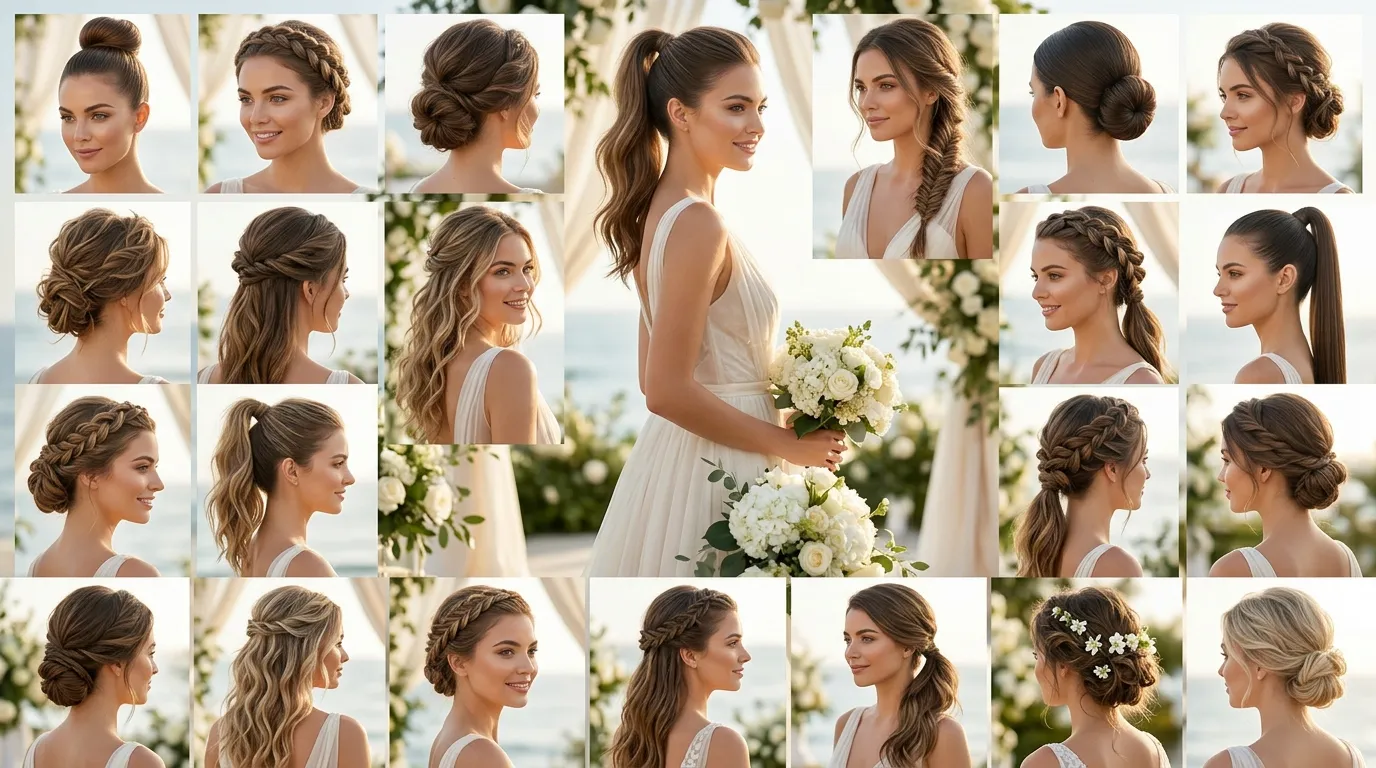
Braids are the bridesmaid hairstyle secret everyone reaches for when they want a look that’s elegant, secure, and comfortable from the ceremony through the last dance. Whether your crew has straight, wavy, coily, or textured hair, braided styles offer structure that works with movement, humidity, and hours of hugging and celebrating. They also translate beautifully across dresslines, from strapless silhouettes to high-neck gowns and traditional South Asian lehengas and saris.
In this guide you’ll find more than a dozen braided bridesmaid hairstyles, plus practical styling logic that helps you pick a version that suits hair texture, face shape, dress neckline, and the season. I’ll cover finishing touches—pins, products, accessories—and small adaptations to keep the look intact as the night warms up or rain threatens. Think of this as an editorial toolkit: clear ideas you can show your stylist, or use to coach a DIY braid session.
We’ll also talk about comfort and maintenance: what to avoid when hair is fragile or freshly colored, and how to make a faux-braid or add padding for volume without forcing tight tension. Braids can be romantic, modern, or boho; they can also be structured for formal affairs or relaxed for an outdoor reception. Read on for versatile, lasting looks and the how-to considerations that matter most.
A crown braid wraps around the head in a halo and feels timeless for both western and South Asian weddings. Styling logic: the braid distributes hair weight evenly, reducing the need for touch-ups. It works best on medium-to-long hair and is flattering on most face shapes, especially heart and oval faces.
Who it suits: Bridesmaids who want a romantic, refined look with minimal fuss. For fine hair, ask for gentle pancakeing (loosening) to create width; for thick hair, tuck the ends neatly and use strong pins to anchor.
Color/fabric/shape details: Crown braids highlight color dimension—subtle highlights or balayage will make the plait pop. With lace or beaded necklines, the braid keeps the shoulder area clean and showcases jewelry.
Comfort and maintenance: Use a light-hold hairspray and discreet U-pins. If the reception is hot, a couple of extra pins near the nape prevent slippage. For airflow in summer, leave small face-framing tendrils.
Season and occasion: Particularly suited for spring and outdoor ceremonies; it also pairs beautifully with traditional South Asian jewelry like maang tikka when worn low.
How to adapt: Add floral pins for a boho twist or weave a jeweled ribbon for formal evening wear.
The low braided bun combines a plait with a tidy coil at the nape. Styling logic: low placement reduces pressure on the scalp and sits snugly against structured dress backs or high collars.
Who it suits: Works well for women with medium to long hair and those who prefer a polished appearance. It’s great for bridesmaids wearing high-neck or off-the-shoulder gowns that need a clean line.
Color/fabric/shape details: Smooth, glossy finishes complement satin or silk dresses, while a textured, pulled-apart braid matches crepe or chiffon. Metallic hairpins echo jewelry or dress embellishments.
Comfort and maintenance: Secure with strong elastic and hidden pins; if hair is layered, add small clear elastics on shorter pieces. A soft-hold spray keeps flyaways down without making the bun stiff.
Season and occasion: Ideal for cooler months and formal indoor receptions. For outdoor events, tuck in an anti-frizz serum before styling.
How to adapt: For added volume, pad the bun with a hair donut or create a faux-bun by wrapping braided extensions.
Two Dutch braids feeding into a low pony create a chic, sporty-meets-elegant silhouette that resists humidity. Styling logic: Dutch braids (inside-out French braids) lock strands under tension, which helps them stay neat longer.
Who it suits: Great for mixed hair textures; it’s forgiving on curly and wavy hair. Bridesmaids who expect a lot of movement—dancing, hugging, picture-taking—will appreciate the security.
Color/fabric/shape details: A sleek finish suits modern, minimal gowns; a slightly tousled finish complements flowy dresses. Wrap a dress-matching ribbon around the elastic for cohesion.
Comfort and maintenance: Keep the scalp comfortable by avoiding overly tight braiding. Bring extra elastics to refresh the pony if it loosens during the evening.
Season and occasion: Works well year-round, especially for outdoor or barn receptions where wind can be a factor.
How to adapt: Merge the braids into a chignon instead of a pony for a dressier look, or incorporate small flowers for a garden wedding.
The fishtail braid has a refined, textured appearance that reads as intricate without heavy structure. Styling logic: A side-swept fishtail stays off the back and frames the face, which is useful with illusion backs or detailed waistlines.
Who it suits: Ideal for long hair—straight or wavy—and for bridesmaids who want soft, romantic styling. This is also a flattering option for round faces when swept to one side.
Color/fabric/shape details: Fishtails especially showcase multi-tonal color; feathering a few lighter face-framing pieces adds dimension. Works with satin or organza gowns.
Comfort and maintenance: Use a texturizing spray before braiding to add grip, and a small dab of wax on the ends if frizz is a concern. Pin the braid to the shoulder with discreet clips if it’s heavy.
Season and occasion: Excellent for spring and summer, or for destination weddings where humidity is likely.
How to adapt: Loosen the plait toward the bottom for boho texture, or incorporate a thin metallic chain woven through the braid for evening shimmer.
The half-up lace braid offers the best of both worlds: hair is partly contained while still flowing. Styling logic: Lace braids take hair only from one side as you braid, creating a soft diagonal or crown effect that’s lighter than a full braid.
Who it suits: Everyone from short-to-medium-long hair lengths can adapt this look. It flatters those who want to keep hair down for photos but need it secured during vows and dinner.
Color/fabric/shape details: This style pairs nicely with plunging necklines or square necks because it softens the jawline without covering shoulders. Add pearl pins to match mother-of-pearl buttons or accessories.
Comfort and maintenance: Because it’s not tightly braided, it’s very comfortable and forgiving. Re-tighten or bobby-pin the roots if the braid loosens after dancing.
Season and occasion: A versatile option suitable for all seasons and both formal and informal receptions.
How to adapt: For textured hair, leave the lower half in natural curls. For straighter textures, create subtle waves with a large barrel iron before braiding.
Boho halo braids with loose tendrils read whimsical and relaxed while remaining secure. Styling logic: Multiple small braids combined into a halo reduce single-point stress and keep hair tidy without rigidity.
Who it suits: Great for bridesmaids who favor an ethereal, festival-inspired vibe—perfect for garden or beach ceremonies and cultural celebrations that combine traditional and modern elements.
Color/fabric/shape details: Lightweight fabrics like tulle and chiffon harmonize with this look. Small floral accents or tiny metal charms work well with floral-print or embroidered dresses.
Comfort and maintenance: Because the braids are generally looser, they’re comfortable but may need occasional reshaping. Carry a small mirror and a few pins for quick fixes.
Season and occasion: Ideal for spring and summer; in cooler months add a decorative comb to anchor the look.
How to adapt: For more structure, weave the braids tighter or incorporate ribbon in the bride’s color.
A French braided updo is polished and holds up under movement, making it a favorite for long receptions. Styling logic: French braids add support and distribute tension toward the crown, so the updo resists sagging.
Who it suits: Bridesmaids with medium-to-long hair who want a formal, refined silhouette. It complements high-neck dresses and ornate jewelry.
Color/fabric/shape details: Smooth finishes match structured fabrics and architectural gowns. Add a subtle sheen spray for red-carpet gloss without greasiness.
Comfort and maintenance: Secure with strong pins and a flexible-hold spray that allows movement. For newly relaxed or chemically treated hair, ask your stylist to avoid excess pulling.
Season and occasion: Works year-round and is especially apt for indoor, evening receptions.
How to adapt: Turn it into a looser chignon for destination weddings or a tighter style for formal banquets.
Rope braids double-wrap the hair for a rope-like finish and are surprisingly sturdy. Styling logic: The twisting action keeps strands compact, so the ponytail is less likely to frizz or separate.
Who it suits: Great for long lengths and for bridesmaids who prioritize ease of movement. It suits athletic bridesmaids or those in warmer climates.
Color/fabric/shape details: Works best with dresses that reveal shoulders or have plunging backs because the ponytail is a focal point. Sleek fabrics like crepe or jersey pair well.
Comfort and maintenance: Avoid braiding too tightly at the scalp. A wide elastic at the base prevents breakage and gives a polished look.
Season and occasion: Excellent for outdoor and summer receptions. For evening, wrap a braided section around the elastic for a refined finish.
How to adapt: Add a decorative comb at the base or enrich the rope with thin metallic wires for sparkle.
Milkmaid braids—two braids wrapped over the crown—feel vintage but can be updated with modern textures and accessories. Styling logic: The doubled braids create a sturdy crown that sits close to the head and rarely loosens.
Who it suits: Suitable for short-to-medium lengths when the braids are anchored tightly. It’s flattering on square and long face shapes.
Color/fabric/shape details: Retro fabrics and structured skirts pair well. If bridesmaids wear prints or heavy embellishment, keep hair accessories minimal.
Comfort and maintenance: This style holds well without heavy spraying. Tuck ends neatly or pin them under a decorative comb. For fine hair, consider adding subtle extensions for volume.
Season and occasion: Great for any season; perfect for vintage-inspired weddings or daytime receptions.
How to adapt: For a softer look, pull small face-framing pieces loose or add a thin veil for a semi-formal touch.
Weaving ribbon into a braid elevates a simple ponytail to something coordinated and festive. Styling logic: The ribbon shares some of the load and visually ties hair to the dress palette.
Who it suits: Ideal for bridesmaids who want to echo the wedding color or tie in sari edges, dupattas, or other traditional fabrics.
Color/fabric/shape details: Choose ribbon texture to match the outfit—silk ribbons for formal looks, grosgrain for structured dresses, and organza for soft silhouettes.
Comfort and maintenance: Use ribbon that won’t slip; sew a small loop around the elastic to secure it. Keep a spare ribbon in your clutch if it loosens.
Season and occasion: Versatile across seasons; especially appealing for cultural ceremonies where color coordination matters.
How to adapt: For shorter hair, create a half-pony and incorporate thinner ribbon strands into French or Dutch braids.
Start with the dress neckline and silhouette. High-neck and halter styles often require hair up or partially up to avoid competing with the gown, while strapless and sweetheart necklines allow for fuller, cascading braids.
Factor in hair length and texture. Very short hair may need extensions for intricate braids; thick hair may require strategic pinning or smaller braid sections to prevent bulk. For curly and coily textures, opt for braids that embrace volume rather than flatten it—think crown braids or loose halo styles.
Consider the season and venue. Outdoor summer weddings benefit from updos and low buns; cool-weather receptions allow for looser, romantic braided styles. Also consider cultural elements—if bridesmaids are wearing traditional South Asian attire, coordinate braid placement so hair complements dupattas, mangtikkas, or veils.
Lastly, prioritize comfort and stamina. Ask your stylist to demonstrate tension on a small section first to ensure it’s not too tight. Choose looks that pair well with your accessories and hair health—if the group includes recently colored or fragile hair, pick gentler, less-tensioned options.
A Dutch halo braid circled above the ears that flows into a low bun combines security with a soft silhouette. Styling logic: The Dutch technique locks hair down and reduces flyaways, while the low bun keeps the weight distributed.
Who it suits: Bridesmaids with medium-to-long hair and varied textures; it flatters oval and rectangular faces.
Color/fabric/shape details: Works well with embellished or high-neck gowns because the clean line emphasizes the dress. Accent with pearl pins or small flowers to match bridal floral choices.
Comfort and maintenance: Secure the bun with multiple pins and use a medium-hold spray. If humidity is present, finish with an anti-frizz mist pre-braiding.
Season and occasion: Great for formal receptions across seasons; in winter, this look pairs nicely with capes or boleros.
How to adapt: Keep the bun loose for a romantic effect or tighter for a more refined, sleek bridal party look.
For textured and coily hair, box braids styled into a pulled-back updo or ponytail are both protective and statement-making. Styling logic: Pre-braided hair is low-maintenance and endures heat and humidity.
Who it suits: Bridesmaids with natural or protective styles, or crews wanting a cohesive look without altering natural hair. It’s also an inclusive option accommodating a range of hair care preferences.
Color/fabric/shape details: Choose braid sizes that complement dress texture; micro-braids read intricate against sleek fabrics and larger braids pair with flowing materials. Coordinate bead or gold cuffs to match jewelry.
Comfort and maintenance: Box braids reduce manipulation, but ensure the hairline isn’t over-stressed from tight braiding. Add a light oil to edges to prevent dryness and keep look polished.
Season and occasion: Versatile year-round—especially useful for destination weddings where styling time is limited.
How to adapt: Form a braided crown, a high bun, or a low pony depending on neckline and preference.
A centered braid running down the crown into a low chignon reads modern and dramatic. Styling logic: Concentrating braiding in the center reduces bulk on the sides and creates a structured focal point.
Who it suits: Bridesmaids who want a contemporary, fashion-forward look. Flattering on oval and long faces, and works for straight or wavy textures.
Color/fabric/shape details: Minimalist gowns and sleek silhouettes benefit most; use matte pins to keep the look modern.
Comfort and maintenance: Because the braid is central, distribute pins across the chignon for balance. Use flexible-hold spray to allow head movement.
Season and occasion: Suits evening receptions and urban venues. For outdoor events, secure with waterproof product.
How to adapt: For softer vibes, loosen the braid and pull tendrils; for edgier styling, add metallic hair cuffs.
Weaving a ribbon or strip of fabric using the Dutch braid method creates a bridal-party-coordinated updo that’s elegant and secure. Styling logic: The ribbon can stabilize sections and visually connects hair to the overall color story.
Who it suits: Great for cohesive bridal parties who want a styled detail that echoes sashes, dupatta colors, or cloth elements in traditional attire.
Color/fabric/shape details: Pick ribbon types aligned with dress fabrics—silk for luxury gowns, organza for airy dresses. Narrow metallic ribbons add subtle sparkle.
Comfort and maintenance: Use ribbon that’s sewn or tied in at the base so it doesn’t slip. Bring a small alternative strip in case of perspiration or looseness.
Season and occasion: Works for both daytime and evening settings; in humid weather choose a matte ribbon that grips hair better.
How to adapt: Replace ribbon with thin chains or beaded strings for an evening look.
Braided bridesmaid hairstyles are reliably beautiful because they combine function with fashion: built-in structure keeps hair secure, and the variety of braid types lets each bridesmaid personalize her look to hair texture, dressline, and comfort needs. The key is planning—consider hair prep, accessory coordination, and how the style will hold up in your venue’s climate. With the right pins, products, and a few practice runs, the bridal party can enjoy polished, long-lasting braids that look as fresh at midnight as they did at the altar.
FAQ
Q1: How far in advance should bridesmaids get their hair braided for the wedding?A1: Ideally, plan a trial a few weeks before and schedule styling the morning of the wedding. If the style involves extensions or protective braids done professionally, book a day or two beforehand to allow settling time.
Q2: Can braids damage hair if worn for the whole day?A2: Braids are generally low-manipulation, but tight tension can cause breakage or scalp discomfort. Use moderate tension, avoid overly tight parts, and don’t leave tight braids in for extended periods without giving hair a rest.
Q3: What products keep braids looking fresh without stiffness?A3: Lightweight texturizing sprays, anti-frizz serums, and flexible-hold hairsprays give control without excessive stiffness. For textured hair, light oils on edges help maintain shine.
Q4: Are braided styles suitable for short hair?A4: Short hair can often be adapted with smaller or half-braids, or by incorporating extensions for length and volume. Consult a stylist for the best method based on your hairline and dress.
Q5: How do you keep braids from frizzing in humid or rainy weather?A5: Use an anti-humidity spray, work with textured products that add grip, and anchor braids with extra pins. Consider updo variations that reduce exposed length, and pack a small touch-up kit for the reception.