Physical Address
304 North Cardinal St.
Dorchester Center, MA 02124
Physical Address
304 North Cardinal St.
Dorchester Center, MA 02124
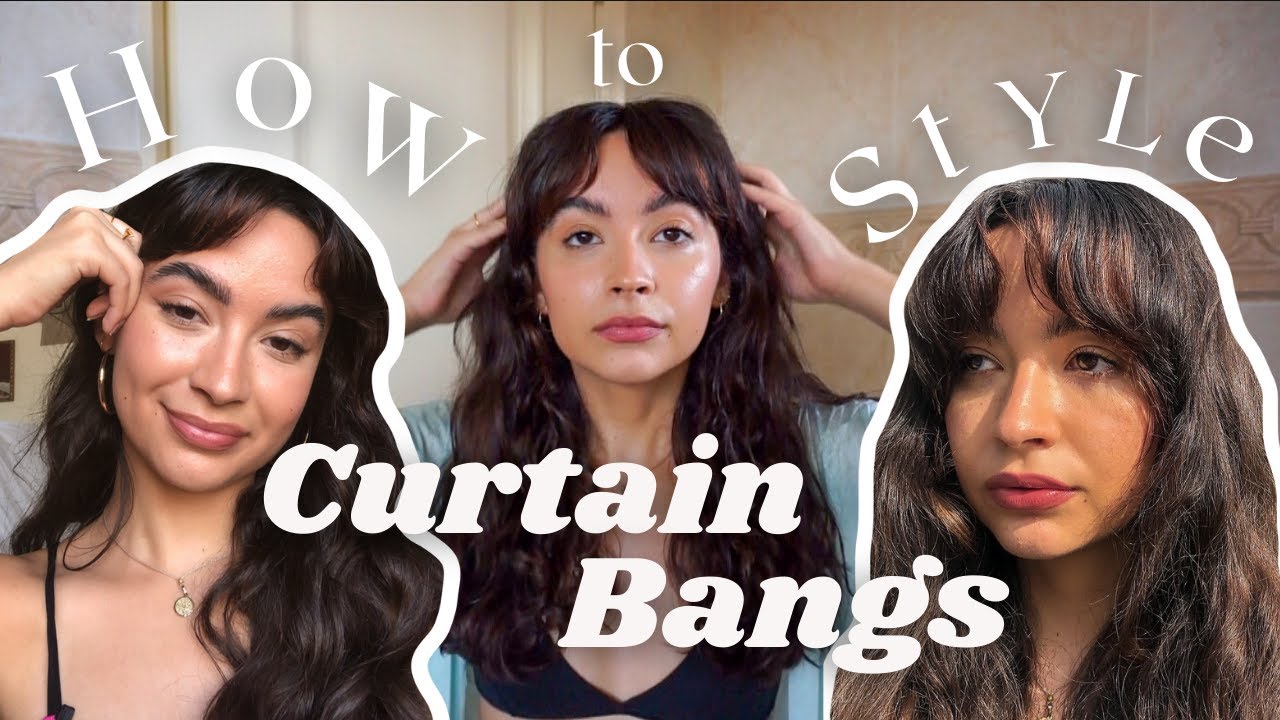
Curtain bangs are one of those versatile hair moments that flatter nearly every face shape and hair texture. They part in the middle (or slightly off-center), framing the face with soft, feathered layers that can be tailored to suit straight, wavy, and curly hair. Because they sit in a zone that influences how your face reads—highlighting cheekbones, softening a forehead, or balancing a jawline—thoughtful styling makes all the difference.
In this guide you’ll find over a dozen practical curtain bangs styling ideas, each describing why it works, who it suits, how to style it, and what to expect from maintenance. Whether your hair is stick-straight, has gentle waves, or is full and coily, there are directions, tools, and product choices that help the bangs look polished, lived-in, or full-on dramatic depending on your mood.
We’ll cover blow-dry direction, rollers, parting strategies, grow-out tips, and seasonal adaptations—plus quick fixes for days when your curtain bangs seem to have a mind of their own. Think of this as a styling playbook: pick and adapt the looks to suit your lifestyle, climate, and personal aesthetic.
Why it works: The traditional curtain bangs silhouette—soft, face-framing layers that graze the cheekbones—creates symmetry and elongates the face, especially on straight hair where the fringe naturally falls.
Who it suits: Oval, long, and heart-shaped faces benefit most, but the look can be adapted for round faces by making the layers longer and the part slightly off-center.
How to style: Towel-dry bangs, apply a lightweight smoothing serum to prevent flyaways, and use a round brush with a medium-sized barrel. Blow-dry by pulling the brush downward and outward while directing the nozzle in the same direction: this creates that signature billow. Finish with a light mist of flexible-hold hairspray.
Maintenance and adaptions: Trim every 6–8 weeks to keep the length in check. For a softer edge, let outer strands grow a touch longer to blend into the rest of the hair. In humid climates, a small anti-frizz balm helps maintain polish.
Season and occasion: Works year-round; a clean, tailored option for work or an elegant date-night statement.
Why it works: Soft waves add texture and movement to curtain bangs, preventing them from looking too uniform. The waves create a lived-in, effortless appeal.
Who it suits: Great for those with natural waves or loose curls. It complements square and round faces by adding vertical lines and a softening frame.
How to style: Apply a salt spray or lightweight mousse to damp bangs and mid-lengths. Use a diffuser on low heat to enhance texture, scrunching lightly with your fingers. Alternatively, wrap sections around a 1-inch barrel wand away from the face for defined, soft bends. Use your fingers (not a brush) to separate and keep the shape airy.
Maintenance and adaptions: Waves can lose shape with humidity—layer a humidity-resistant spray over your styling product. To grow out, keep the bangs slightly longer so the wave continues into the face-framing pieces.
Season and occasion: Ideal for spring and summer casual looks, festivals, and weekends, but can be polished for evening with a smoothing gloss.
Why it works: Curly curtain bangs celebrate natural texture while framing the face with soft, springy tendrils. When cut appropriately, they avoid excessive volume at the roots and sit beautifully in front of the cheekbones.
Who it suits: Curly hair of all patterns—2C to 4A—when the stylist shapes the bangs to harmonize with curl density.
How to style: Cut curls dry to see the natural spring. For daily styling, hydrate with a curl cream or leave-in conditioner, then define curls with a lightweight gel or cream. Use your fingers to coax curls away from a center part for the curtain effect. Diffuse upside-down briefly for added lift, then fix the part with a little gel to keep it in place.
Maintenance and adaptions: Curly bangs need trims every 8–12 weeks as curls bounce up. Avoid heavy oils at the roots to prevent flattening. As they grow, allow front layers to blend into longer face-framing lengths.
Season and occasion: Flattering year-round; add a silk scarf or headband in hotter months to tame humidity and keep shape on active days.
Why it works: Adding feathered layers to curtain bangs reduces bulk and creates a soft, feather-like finish that moves rather than sits stiffly. This is especially helpful for thicker hair.
Who it suits: Thick, coarse hair or those wanting a lighter, more breathable fringe. Also excellent for square faces to soften angular lines.
How to style: After blow-drying with a round brush to create a gentle lift at the root, smooth the feathered ends with a light finishing cream or serum. A boar-bristle brush gives control without flattening. Use a flat iron very lightly to polish pieces that need extra smoothing.
Maintenance and adaptions: Feathering lets bangs grow out gracefully; trims every 8–10 weeks maintain the shape. For a fresh look, vary where you part the bangs—slightly off-center creates asymmetry and less formality.
Season and occasion: An easy, wearable choice for daily life or travel, comfortable in warm weather because it’s less dense at the front.
Why it works: A deep side part creates an asymmetrical curtain effect that’s modern and face-slimming. The longer side skims the cheek, and the shorter side adds lift.
Who it suits: Ideal for round or square faces that benefit from added verticality. Also flattering for anyone wanting a fresh twist on the classic middle-part.
How to style: Create a strong side part on damp hair, combing bangs to one side. Blow-dry with a flat brush to direct hair away from the face, then curl the ends slightly inward with a curling iron to keep the silhouette cohesive. Finish with a medium-hold spray.
Maintenance and adaptions: Side parts can be fickle; use a light root-volume powder on the shorter side if it begins to fall flat. Let bangs grow longer to transition back to a middle-parted curtain.
Season and occasion: Good for formal events when paired with a sleek ponytail or soft waves for casual settings.
Why it works: Sleek curtain bangs read chic and modern. On straight hair, they offer a high-fashion finish that can be minimal or dramatic depending on the cut’s length.
Who it suits: Straight hair or wavy hair that can be heat-styled easily. Works with oval and long faces, and can elongate round faces when kept longer.
How to style: Use a smoothing balm on towel-dried bangs. Blow-dry with a medium round brush, then run a flat iron through sections to create a mirror-like finish. Finish with a shine spray and a mist of hairspray to hold the style.
Maintenance and adaptions: Heat styling can add wear, so use a heat protectant and avoid daily flat-ironing if your hair is fragile. Sleek curtain bangs are low on humidity tolerance—use anti-frizz products in wet weather.
Season and occasion: Perfect for polished workdays and evening events. For casual days, soften with texturizing spray.
Why it works: Lightening face-framing pieces draws attention to the eyes and cheekbones while giving dimension to curtain bangs. Subtle highlights add depth and movement.
Who it suits: Everyone—choose the warmth or coolness of highlights to complement your skin tone. South Asian skin tones can look stunning with warm caramel or chestnut tones blended into dark hair.
How to style: Keep colored bangs hydrated with a color-safe conditioner and a weekly gloss or mask. Style as you usually would—blow-dry or diffuse—and let the color do the heavy lifting, creating natural-looking contrast.
Maintenance and adaptions: Touch-ups every 8–12 weeks depending on contrast. For lower maintenance, opt for balayage or baby lights that grow out softly.
Season and occasion: Highlighted bangs brighten the face in any season; choose warmer tones for autumn and richer tones for winter.
Why it works: Setting bangs on rollers gives them long-lasting lift and a soft curve that emulates old-Hollywood glamour with a modern twist.
Who it suits: Ideal for medium to long hair and those seeking volume at the root without backcombing. Works beautifully on fine hair that needs body and on thicker hair that benefits from controlled shaping.
How to style: After washing, lightly towel-dry bangs and mist with a volumizing spray. Roll bangs onto large velcro or foam rollers, directing them away from the face. Apply heat with a blow-dryer for a minute over the roller or sit under a hooded dryer for 10–15 minutes. Brush out with fingers for a soft finish.
Maintenance and adaptions: Rollers are a low-damage way to add structure. Use this method for special occasions to ensure hold without stiff products. In humid climates, lock with a humidity-resistant spray.
Season and occasion: Great for weddings, parties, and photoshoots when you want long-lasting, picture-ready volume.
Why it works: Pulling the top section back keeps bangs visible while creating a tidy look that’s practical for work, commuting, or exercise.
Who it suits: All hair types—especially useful for those who want to keep bangs out of the eyes without fully committing to grown-out lengths.
How to style: Sweep the top layers back into a half-up knot, small clip, or mini ponytail, leaving the curtain fringe to fall naturally. For textured finishes, mist salt spray on the mid-lengths before securing the top.
Maintenance and adaptions: This look lets you stretch between trims. Use small, snag-free hair tools such as silk scrunchies to minimize breakage.
Season and occasion: Comfortable for active days, casual weekends, and quick transitions between meetings and evening plans.
Why it works: A short curtain fringe paired with a cropped cut creates a modern, edgy silhouette that still frames the face. It’s an excellent way to blend softness into a shorter hairstyle.
Who it suits: Those with strong jawlines or high cheekbones who want a low-maintenance, bold look. Fine to medium hair works best for an airy feel; thicker hair should be layered to avoid bulk.
How to style: Keep the bangs textured using a light paste or matte cream to separate pieces. Blow-dry with a small round brush for minimal lift, then tousle with fingers for a lived-in finish.
Maintenance and adaptions: Short styles need trims every 4–6 weeks to maintain shape. Grow-out can be managed by lengthening the fringe into face-framing layers.
Season and occasion: Low-maintenance for hot months and athletic lifestyles; can be dressed up with metallic clips or slicked back for evening.
Why it works: Integrating small braids or beads through curtain bangs adds personality and cultural influences, offering a bohemian or festival-ready look without sacrificing the face-framing effect.
Who it suits: Those with medium to long hair who want a playful contrast between structure (the bangs) and embellishment (braids, beads).
How to style: Create a center part for the bangs, braid a thin strand or two starting from the hairline and incorporate small beads or metallic cuffs. Keep the rest of the hair soft and textured. Use lightweight hold gel or cream in the braided sections to maintain neatness.
Maintenance and adaptions: Braids protect hair in hot weather and can be left in for days. Be mindful of bead weight on fine hair, and remove gently to avoid breakage.
Season and occasion: Ideal for summer festivals, beach days, or creative styling for photoshoots and art events.
Why it matters: Curtain bangs are forgiving during grow-out but still benefit from strategic trimming and styling to avoid awkward stages.
Practical steps: Ask your stylist to create face-framing layers that blend over time, so bangs don’t become a stark line. During grow-out, use clips, small barrettes, or a headband to tuck pieces away. Texturizing sprays or dry shampoo add grip to help pinned styles hold.
Common issues and fixes: If bangs become too heavy, a quick in-between trim or point-cutting at home by a steady hand can help. For stubborn cowlicks, a small round brush and heat will retrain the direction, but consult a pro for recurring challenges.
Season and occasion: Grow-out is a lifestyle consideration—plan trims ahead of special events and account for climate, as humidity affects transition styling.
Start with face shape and hair texture as your base criteria. For round faces, choose longer curtain pieces that create vertical lines; for square faces, soften angles with feathered ends. Long faces benefit from fuller bangs that reduce perceived length, while heart-shaped faces look great with bangs that end at or below the cheekbone.
Consider your daily routine: if you prefer low-maintenance styling, pick a curtain variation that plays to your natural texture—wavy bangs if you already have waves, curly curtain bangs for coils, or feathered bangs to reduce bulk. Ask your stylist to cut bangs dry (especially for curly textures) so they can tailor the length precisely.
Lifestyle and climate matter too. If you live in a humid area, avoid ultra-sleek finishes unless you’re willing to touch up daily; instead, embrace texture and humidity-resistant products. Finally, think about how frequently you’ll maintain them—shorter, more sculpted looks need more frequent trims than a softer, layered fringe that grows out gracefully.
South Asian hair ranges from fine and silky to dense and coarse and often has rich natural shine and fullness—qualities that take well to curtain bangs when tailored. For darker hair, warm highlights or a subtle balayage can add dimension to bangs without high maintenance. Consider the cultural contexts of styling: pairing curtain bangs with a middle-parted braid or traditional attire like a kurta or saree can create elegant, contemporary looks that honor heritage while feeling modern.
When working with thick, dense textures common in many South Asian hair types, ask for weight removal through internal layering and feathered ends to prevent a heavy curtain. If you prefer to keep length while introducing bangs, opt for longer curtain layers that blend into face-framing pieces, making them easy to pin back for ceremonies or humid climates.
Curtain bangs are a versatile, flattering option for straight, wavy, and curly hair. The key to success is choosing a variation that suits your face shape and natural texture, practicing the right blow-dry direction, and using the appropriate tools—rollers for lift, round brushes for shape, and gentle products that respect your hair’s integrity. With thoughtful cuts and a few styling tricks, curtain bangs can be both practical and expressive, shifting seamlessly from office polish to weekend ease.
Frequently Asked Questions
Q1: How often should I trim my curtain bangs?A1: Trim frequency depends on cut and texture—4–6 weeks for short, precise styles; 8–12 weeks for softer, layered fringes. Curly bangs may need slightly less frequent trims but should be checked every 8–10 weeks.
Q2: Can I style curtain bangs without heat?A2: Yes. Use curl- or texture-enhancing products and finger-styling for wavy/curly hair, or set bangs on velcro rollers and air-dry for volume without heat.
Q3: What products work best for maintaining curtain bangs?A3: Lightweight smoothing serums, flexible-hold hairsprays, dry shampoo for oil control, and texture sprays for movement. Choose products formulated for your hair’s porosity and sensitivity.
Q4: Will curtain bangs suit a round face?A4: Absolutely—choose longer, face-skimming curtain pieces or an off-center part to create vertical lines that slim and elongate the face.
Q5: How do I grow out curtain bangs gracefully?A5: Ask your stylist for blended face-framing layers to ease the transition, use clips and half-up styles, and gradually increase bangs’ length so they naturally integrate with the rest of the hair.