Physical Address
304 North Cardinal St.
Dorchester Center, MA 02124
Physical Address
304 North Cardinal St.
Dorchester Center, MA 02124
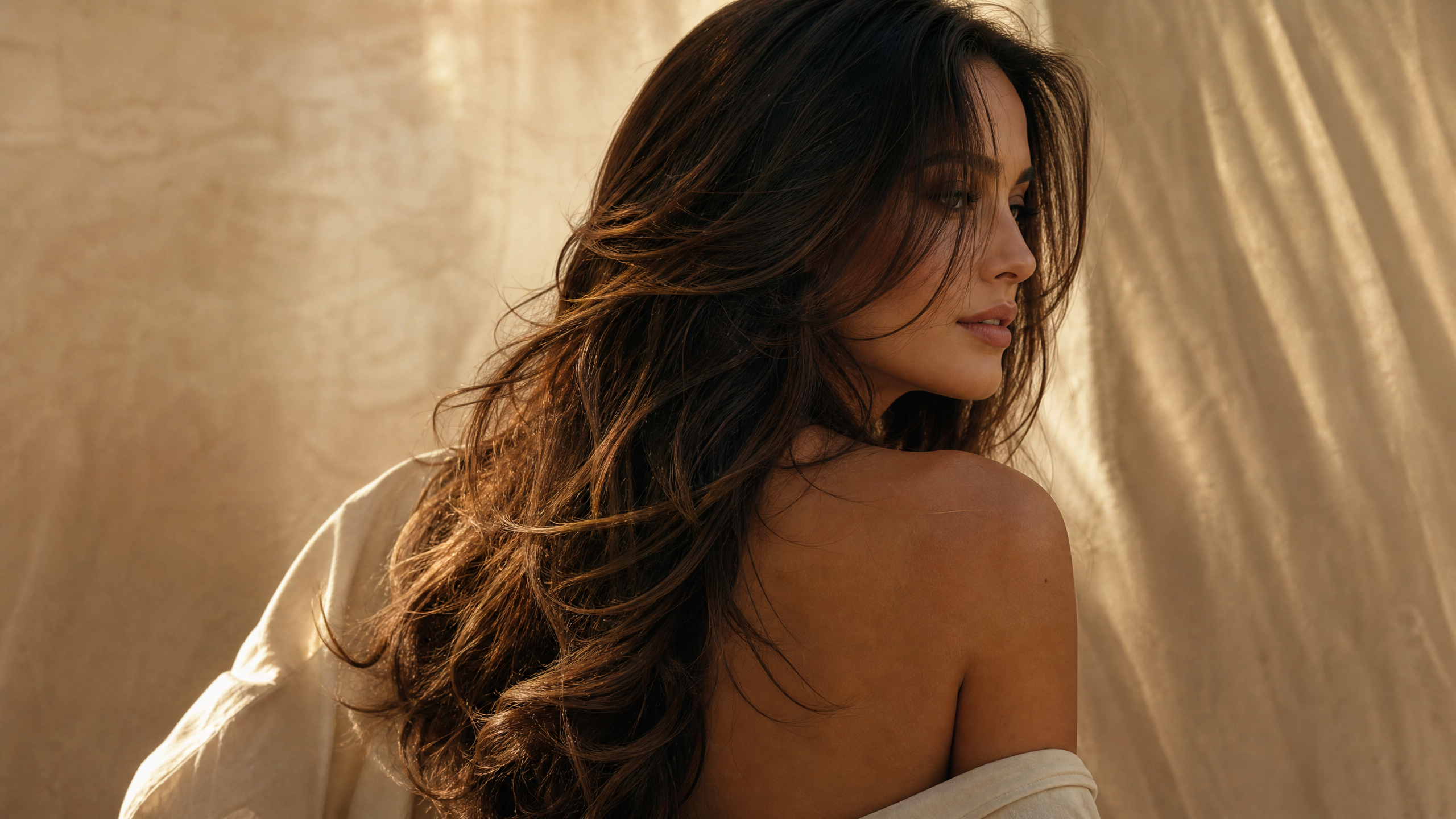
Layered haircuts for long hair are a go-to for anyone who wants movement, shape, and modern polish without sacrificing length. Layers remove weight, create natural volume, and introduce dynamic frames for the face, making long hair feel lighter and more manageable. Whether your hair is pin-straight, wavy, or tightly coiled, a well-planned layering strategy can enhance your texture and help you style quicker every day.
This guide walks through more than 15 thoughtful layered looks for long hair—covering face-framing layers, butterfly-inspired movement, bangs, and volume techniques—along with styling logic, who each cut suits, color and product suggestions, and how to adapt the shape for comfort, season, and occasion. You’ll find practical maintenance tips so the cut keeps looking fresh between salon visits, plus advice on choosing the right layered approach for your hair density, face shape, and lifestyle.
Layers are versatile: some create soft undone texture, others emphasize sleekness or structured shape. Read on to discover which layered haircut will make your long hair work harder for you—whether you crave minimal daily styling, dramatic motion for special events, or a low-maintenance look that still photographs beautifully.
Layers introduce dimension by shortening sections of hair strategically, which helps hair move instead of hanging flat. In long hair, layers can balance heavy ends, prevent triangular silhouettes, and create natural lift at the crown—especially useful for fine or medium textures. For thicker hair, layers break up bulk so styling tools can shape without fighting density. The key is proportion: too many short layers can add frizz and churn, while overly subtle layers may not register visually. A skilled stylist will consider texture, growth pattern, and your daily routine before deciding on length and graduation.
Layering also plays beautifully with color. Face-framing layers highlight cheekbones and eyes, while long sweeping layers show off balayage or painted highlights as they move. For anyone who loves soft movement, butterfly-inspired layering—long layers that feather around the face and neck—creates the airy, fluttering effect that photographs well and is flattering in motion.
Face-framing layers are tapered lengths that begin around the cheekbones or jawline and blend into longer hair. They immediately personalize long hair by accentuating facial features: jawline-focused layers suit square faces, chin-length layers soften an elongated face, and cheekbone layers highlight round faces. These layers can be subtle—just a few inches shorter than the main length—or more dramatic, reaching down near the shoulders for a pronounced frame.
Styling logic: these layers can be styled straight, with a rounded blowout for softness, or with loose waves to emphasize shape. They pair exceptionally well with curtain bangs or wispy side bangs, creating movement around the eyes. For color, a soft face-framing highlight or sunkissed balayage draws attention to the layers as they shift. Maintenance is moderate: trims every 8–12 weeks keep the frame tidy and prevent heavier lengths from weighing the effect down.
Butterfly layering is named for the way hair seems to “lift” near the crown and fall soft at the ends—think delicate wings in motion. This approach uses long, graduated layers that start higher at the crown and gently feather down. It’s ideal for medium to fine textures, where you want volume without bulk.
Who it suits: anyone seeking a romantic, soft aesthetic that still reads long. It’s particularly flattering in photos and for special occasions like weddings or formal events. Styling is minimal: a round brush blowout enhances the winged effect, while a few waves from a large barrel iron create natural flutter. Color-wise, luminous glosses and subtle face-framing lights amplify the light-catching quality. Maintenance is low to moderate; a trim every 10–14 weeks preserves shape without the need for frequent salon visits.
The long shag reimagines the 70s cut for today’s textures, with choppy, lived-in layers and piecey ends. It’s layered throughout, including shorter crown layers and longer framing lengths. This cut works brilliantly on wavy hair, where natural texture blends with the choppy ends for a cool, undone look.
Styling logic: enhance texture with a salt spray or lightweight mousse and scrunch while drying; for straighter hair, use a texturizing spray after loose curling. The long shag suits those who want an effortless, fashion-forward vibe and don’t mind a slightly higher styling frequency to maintain the intentional messiness. It’s versatile across seasons—airy in summer, cozy under hats in winter—and looks great with warm, bronde tones or high-contrast highlights that emphasize the choppy layers.
Curtain bangs paired with long layers create a vintage-inspired yet contemporary look. The long, parted bangs frame the face and blend into layers at the sides, softening the forehead while preserving length. This combination is flattering on most face shapes and provides a youthful, polished silhouette.
Styling logic: curtain bangs can be air-dried and lightly brushed into place or smoothed with a round brush for a fuller look. Layer length should be balanced with the bangs so the flow is seamless. Curtain bangs are relatively low-maintenance compared with blunt bangs but will need trims every 6–10 weeks depending on how fast your hair grows. Works well with soft glosses and natural root shadows for a lived-in finish.
For those with naturally straight hair who crave movement without sacrificing sleekness, long subtle layers are the answer. These involve gentle graduation—shorter layers at the front and long, softened ends—that provide shape without bounce or frizz.
Styling logic: a flat iron and a smoothing serum are usually enough to maintain this refined look. It’s ideal for professional settings and formal occasions because the silhouette remains neat and elegant. Color choices that reinforce the sleekness include tonal lowlights or one-length color with a natural sheen. Maintenance is minimal: keep split ends at bay with a trim every 10–12 weeks and touch up smoothing products to maintain shine.
Combining long layers with blunt ends creates a striking interplay between softness and structure. The layers add movement and lift near the face and crown, while blunt ends provide weight and a strong visual line—an excellent choice for those who love the drama of long hair but want modern clarity.
Styling logic: blow-dry with a paddle brush for a polished finish, or let the ends remain blunt for dramatic waves. This cut suits thick hair particularly well because it balances density; less weight at the crown prevents the look from becoming barrell-shaped. Color work that supports this style includes sharp root-to-tip transitions or sunkissed ends to emphasize the blunt line. Expect regular trims every 8–10 weeks to keep the blunt edge crisp.
Side bangs mixed with long layers offer a playful, adaptable style. The side sweep softens the forehead and can be worn across the face or tucked behind the ear, making it practical for varying weather or activity. Layers flow naturally from the bangs, creating a cohesive movement.
Styling logic: side bangs are easy to style with a quick blow-dry and round brush or straightened for a sleeker finish. Suitable for all hair textures, they’re especially flattering for heart-shaped faces where the side sweep balances a narrower chin. For color, subtle highlights on the bangs and front layers bring attention to the face. Maintenance includes trims every 6–10 weeks for the bangs and regular shape trims to maintain the layer flow.
The V-cut layers form a deep V at the back, with shorter layers at the sides and long central lengths. This shape is dramatic when the hair is down and shows off length beautifully when styled straight or curled. It’s a favorite for those who want maximum length with a styled silhouette.
Styling logic: the V-cut emphasizes length while allowing movement along the sides; it’s especially effective with balayage or ombré as color fades down the V. This cut suits medium-to-thick hair best, as fine hair may not create the pronounced V without additional density. Maintenance is moderate—trims every 10–12 weeks help preserve clean lines and prevent the V from looking triangular as it grows.
A U-cut creates a softer rounded shape compared to the V, with layers that blend into a curved back line. It’s understated and elegant, offering a balanced silhouette for long hair without overt drama.
Styling logic: the U-cut works well across textures and is forgiving as it grows. It’s a great choice for those wanting long hair that feels intentional but not fussy. Soft waves accentuate the curved outline; straight styles showcase glossy length. Lighter color accents near the face soften the look and add dimension. Trimming every 10–12 weeks keeps the soft U-shape intact.
Curly hair requires special consideration when layering: the goal is to give shape and reduce bulk while preserving curl pattern. Long layered cuts for curly hair typically include face-framing layers and longer interior layers to avoid the dreaded triangular silhouette. Layers should be cut dry, when possible, to respect natural shrinkage and curl placement.
Styling logic: use a leave-in conditioner and curl cream to define layers without causing frizz. This approach suits those with 3A–4A textures seeking controlled volume and movement. For color, single-process shades or soft highlights can add depth without obscuring curls. Maintenance-focused trims every 12–16 weeks help keep curl definition and prevent weight from pulling curls down.
Fine hair benefits greatly from strategic layering that adds the illusion of volume without removing too much length. Long layers should be subtle—shorter pieces around the face and crown to create lift, with long overall length preserved to maintain density.
Styling logic: root-boosting sprays, volumizing mousses, and blow-drying with a vented brush give body where needed. Avoid razoring that can thin ends excessively. Color techniques like root shadows and babylights add dimension, which visually increases fullness. Expect maintenance to include product refreshes and trims every 8–10 weeks to prevent limp ends.
Choosing the right layered haircut starts with a clear assessment of your hair texture, face shape, and lifestyle. Fine hair needs lift and carefully placed shorter layers near the crown; thick hair benefits from longer, more graduated layers to reduce volume. Curly hair requires cuts that honor spring and shrinkage—consider a stylist who specializes in curly cuts and prefers cutting dry. Face shape matters: long faces gain balance with face-framing layers and side bangs, round faces soften with length that starts below the chin, and square jaws are softened by softer feathered layers.
Consider lifestyle: if you prefer low-effort mornings, choose longer, softer layers that air-dry well; if you enjoy styling, a long shag or V-cut provides more sculptural options. Seasonal changes also inform choice—lighter layers are comfortable in warm months under hats or updos, whereas structured long layers work well with winter coats and scarves. Finally, bring photos and be specific about what you like and dislike: “more movement” or “less bulk” are clearer than vague requests. A cut is a dialogue; a good stylist will adapt technique, thinning, and blending to your hair’s natural tendencies.
Select products and tools that enhance your chosen layered look. For volume and lift: lightweight mousses, root-lifting sprays, and round brushing produce lasting body. For texture: sea salt sprays, texturizing powders, and matte pomades create that effortless, lived-in finish. For shine and sleekness: smoothing serums, heat protectants, and ceramic straighteners keep layers defined and frizz-free. A large-barrel curling iron or wand adds soft waves without disrupting long layers; for tighter definition, choose smaller barrels but work in wider sections to avoid over-curling. Always match tool temperature to your hair’s health—lower heat for finer or chemically treated hair.
Layers can be adjusted seasonally and for events. In warmer months, opt for higher crown layers and shorter face frames to keep hair off the neck and feel lighter. For winter, longer internal layers provide warmth and a fuller silhouette under coats. For formal events, add long cascading waves or an elegant half-up style to showcase layers; for casual days, a messy bun with loose face-framing pieces highlights the cut without effort. If you wear cultural or formal styles—such as South Asian wedding hairstyles—long layered hair can be braided or styled into voluminous buns that display color and movement, so discuss piece placement and length with your stylist ahead of time.
Most long layered styles need trims every 8–12 weeks to keep shape and avoid split ends. Curly textures may stretch this to 12–16 weeks if shape is preserved and you’re comfortable with longer growth between cuts. Expect to revisit color and root touch-ups on their own schedule; coordinating both services can reduce salon trips but plan for longer appointment times. Between cuts, at-home trims are generally not recommended for layered shapes—professional blending ensures the layers sit correctly and face-framing stays flattering.
Final Thoughts
Layered haircuts for long hair unlock a range of personalities—from soft romantic movement to modern, edgy texture—without demanding you sacrifice length. The right layered cut will complement your face shape, work with your natural texture, and suit your daily routine. Bring clear references, communicate honestly about maintenance, and choose a stylist experienced in tailoring layers to your hair type. With a little guidance and the right products, long layers can be both low-maintenance and endlessly stylish.
FAQ
Q: How do I know which layered haircut will suit my face shape?A: Match layer placement to balance your proportions—shorter face-framing layers for round faces, side-swept bangs for heart shapes, and soft graduation near the jaw for square faces. A stylist consultation can refine this for your unique features.
Q: Will layers make my curly hair frizzier?A: Properly placed layers cut to the curl’s natural fall—preferably on dry hair—should enhance shape and reduce bulk rather than increase frizz. Use moisturizing products and avoid over-layering.
Q: How often should I trim long layers?A: Typically every 8–12 weeks for most textures; fine hair may need slightly more frequent trims, while some curls can stretch to 12–16 weeks.
Q: Can I add bangs to my long layered haircut without committing long-term?A: Curtain or side bangs are relatively low-commitment and grow out gracefully. Blunt bangs require more maintenance. Discuss bang length and styling options with your stylist to plan for growth.
Q: What products are essential for layered long hair?A: A heat protectant, a lightweight volumizing product for fine hair, a texture spray or cream for waves, and a smoothing serum for sleek looks are basic essentials. Choose formulations suited to your hair’s porosity and density.