Physical Address
304 North Cardinal St.
Dorchester Center, MA 02124
Physical Address
304 North Cardinal St.
Dorchester Center, MA 02124

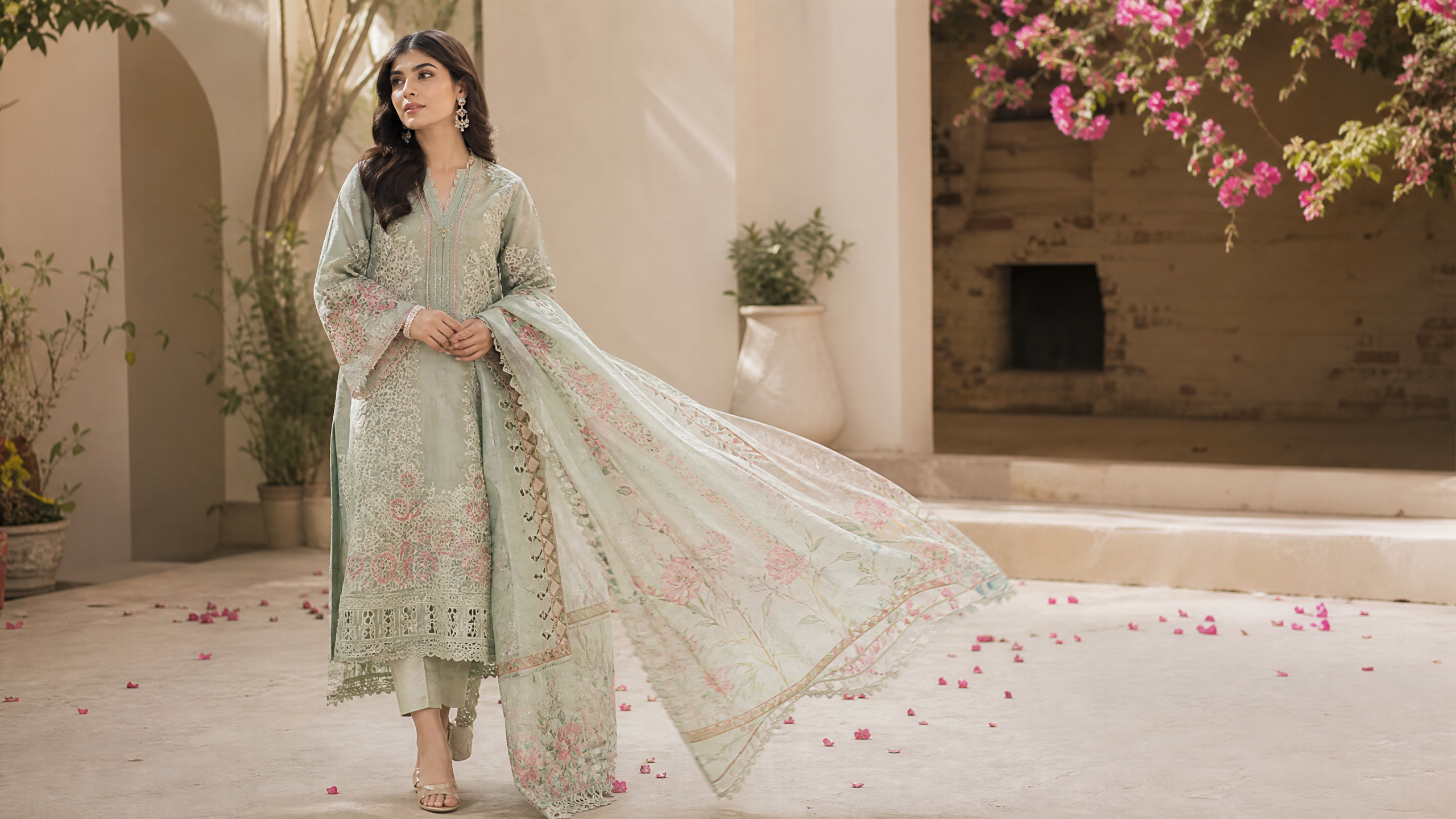
Summer in Pakistan calls for wardrobes that balance breathability with a nuanced sense of style. Pakistani summer outfits traditionally prioritize comfort—light fabrics, loose silhouettes, and clever layering—while offering ample room for color, embroidery, and cultural expression. Whether you’re dressing for a humid city day, a breezy evening gathering, or a relaxed weekend at home, choosing the right pieces can keep you cool without sacrificing polish.
This guide gathers more than 15 outfit ideas that read fresh, refined, and effortless. You’ll find looks built around pastel lawn suits and breathable cotton, easy dupatta drapes, and footwear choices that suit daytime heat. Inclusion is central: ideas can be adapted for different body shapes, modesty preferences, and personal style signatures—from minimalist to embellished.
For each idea, expect practical styling notes: who it suits, fabric and color suggestions, maintenance considerations, and how to adapt the look for occasion and climate. These are not rigid formulas but starting points to help you curate a summer wardrobe that feels light, elegant, and easy to wear.
A pastel lawn suit is the summer stalwart: breathable, soft, and cool against the skin. Choose a lawn kameez with minimal embroidery near the neckline and pair it with straight or cigarette pants cut from the same or coordinating lawn. Pastels—mint, blush, powder blue, and soft lemon—reflect heat and look sophisticated. Lightweight trousers maintain a sleek silhouette without clinging, and a slight taper from the knee keeps the outfit modern.
Who it suits: Virtually everyone; especially comfortable for warm, humid climates. Fabric and maintenance: lawn demands gentle washing, preferably by hand or on a delicate machine cycle, and quick air-drying to prevent color fading. Occasion/adaptation: pair with slip-on sandals for everyday wear or add delicate jhumkas and a low-heeled sandal for casual daytime gatherings.
Swap traditional shalwar for wide-leg culottes in a crisp cotton for an airy, contemporary take. A mid-thigh or knee-length kurta with side vents works well over culottes—ensure the kurta hem hits above the widest part of the culotte to maintain proportion. This silhouette allows air circulation and reduces fabric-to-skin contact during peak heat.
Who it suits: Tall and petite figures alike—shorter wearers may prefer culottes that skim the ankle to avoid overwhelming the frame. Fabric and color notes: choose cotton or cambric; light solids or subtle stripes grounded with neutral accessories. Maintenance: machine-washable on gentle; iron on medium setting. Occasion/adaptation: with slip-on kolhapuris and a woven tote for errands or swap to strappy mules for a relaxed office look.
Chikankari’s tonal white-on-white embroidery keeps a look delicate and breezy. Pair a chiffon or cotton chikankari tunic with light linen trousers to combine elegance with ventilation. Linen breathes exceptionally well, and the resulting texture mix feels refined without weight.
Who it suits: Ideal for daytime events and those who appreciate artisanal detail without heavy adornment. Fabric and maintenance: chikankari should be hand-washed gently; linen can wrinkle but looks relaxed when slightly creased. Occasion/adaptation: add a soft dupatta or a printed scarf for contrast; finish with beaded sandals for an elevated summer brunch look.
A short, lightly flared Anarkali cut in cotton or a cotton-silk blend offers movement without being overbearing. Keep the flare moderate to avoid excess fabric in heat. A narrow churidar or cigarette pant keeps the overall look balanced and easy to wear. Choose muted prints or tonal jacquard for a simpler, contemporary feel.
Who it suits: Those who want feminine movement without heavy layering; works well for curvier figures as the empire waist can be very flattering. Fabric & maintenance: breathable cotton blends are machine-washable on gentle settings. Occasion/adaptation: wear with flat khussas for day; add a slim belt and wedge sandals to transition to evening.
For more fashion-forward dressing, pair a long lawn shirt with high-waisted tailored shorts in breathable cotton or linen. The shirt can be buttoned and worn as a tunic or left open as a lightweight jacket over a camisole. This mixed aesthetic bridges South Asian textiles and global summer ease.
Who it suits: Younger audiences or those comfortable with shorter hemlines; adaptable with opaque tights or longer undershirts for modesty. Fabric and maintenance: choose colorfast prints; wash in cold water and avoid prolonged sun drying to retain hues. Occasion/adaptation: daytime shopping or seaside lunches; swap sandals for block-heeled mules to step into an evening plan.
A monochrome approach—top, pants, and dupatta in varying shades of one color—feels effortlessly chic and visually elongating. Selecting breathable cotton keeps the look cool, while a contrasting texture (like a muslin dupatta) adds depth without weight. The duplication of color simplifies wardrobe decisions while remaining polished.
Who it suits: Anyone seeking a streamlined, low-decision outfit; great for professional settings and travel. Fabric and maintenance: cotton is easy to launder; however, light colors need spot-care for stains. Occasion/adaptation: trade the dupatta for a printed scarf to add interest; footwear ranges from classic sandals to loafers.
Modernize a kurta with a half-shirt collar and pair it with tapered drawstring pants in cotton-lawn or cambric. The collar structure lends a tailored feel, while the drawstring pant ensures comfort and an adjustable fit—helpful in fluctuating summer temperatures.
Who it suits: Those wanting a balance of casual and refined—suitable across ages. Fabric and maintenance: cotton-lawn blends are low fuss; keep the collar crisp with light starch if preferred. Occasion/adaptation: remove the dupatta and roll the sleeves for ultra-casual wear; add gold-toned hoops and slid sandals to dress up.
Layering in summer is about adding small, breathable pieces rather than heavy garments. A lightweight kurti over a sleeveless slip dress (in modal or cotton) provides coverage without heat. The kurti can be sheer or semi-sheer and worn open, tied at the waist, or buttoned for different silhouettes.
Who it suits: Those who like to play with proportions and coverage. Fabric and maintenance: choose airy fabrics; the inner slip should be moisture-wicking. Occasion/adaptation: this works for evening strolls or cultural events—pair with flat sandals or delicate heels for a slightly dressier tone.
A shorter, tailored kurta with slim cigarette pants is a contemporary staple. Keep embroidery minimal or focus detail on the cuff and hem. A light cotton or chiffon dupatta, either casually tossed over one shoulder or removed for running errands, keeps the look flexible.
Who it suits: Professionals and city dwellers who favor neat lines. Fabric and maintenance: pigmented colors should be washed separately for the first few cycles. Occasion/adaptation: slip into leather sandals for a smart-casual office look; switch to embellished sandals for small social gatherings.
A block-printed maxi dress in cotton or Viscose printed with traditional motifs is a breezy option for daytime. Add a cropped, lightweight jacket—linen or raw silk—for mornings or indoor air-conditioning. The jacket should be unlined to preserve airflow.
Who it suits: Those who enjoy statement prints and a single-piece outfit. Fabric and maintenance: hand-printed textiles often require careful washing—cold water and gentle detergent. Occasion/adaptation: accessorize with rustic jewelry and flat sandals for a market day; swap to slim heels and a clutch for a small festivity.
A soft pastel shalwar kameez—imagine a loose kameez with a slightly tapered shalwar—creates a classic summer silhouette. The focus here is on pairing it with embellished flat sandals (like beadwork or metal accents) to elevate a simple outfit without adding heat.
Who it suits: Traditional preferences and those seeking maximum ease. Fabric and maintenance: cotton or lawn shalwars are low-maintenance; avoid heavy embellishment on clothing to prevent sweat discomfort. Occasion/adaptation: perfect for family daytime functions; add a lightweight wristlet and sunglasses to finish the look.
A kaftan in soft lawn, silk voile, or chiffon feels like a wearable breeze. Keep the cut relaxed but choose a knee-to-calf length for practicality. Wear over a breathable slip to avoid transparency. The outfit’s strength lies in accessories—bold earrings and a structured straw tote create a polished summer aesthetic.
Who it suits: Anyone wanting an on-the-go but elevated look; especially suited to hot, sunny days. Fabric and maintenance: light voiles need gentle washing; chiffon benefits from hand-wash. Occasion/adaptation: suitable for garden parties, travel days, or relaxed social visits—add flat gladiator sandals or mule slides.
For celebrations in warm weather, a cotton-silk sharara paired with a minimal sleeveless or short-sleeve top gives the festive flare without weight. Keep the sharara panel count moderate and the fabric unlined to ensure breathability. Tone down heavy embellishments and choose tonal embroidery to keep the outfit light.
Who it suits: Those attending daytime weddings or festive gatherings who want traditional form with summer comfort. Fabric and maintenance: cotton-silk blends are delicate—dry-clean if heavily embellished; otherwise hand-wash with care. Occasion/adaptation: pair with statement flat sandals and a compact potli for daytime events.
A shirt dress in breathable linen becomes distinctly Pakistani with thoughtful accents: a narrow embroidered placket, a printed belt, or a short contrast dupatta draped like a scarf. Linen’s natural texture reads casual-luxe and is ideal for humid climates.
Who it suits: Fans of minimalist style and practical dressing. Fabric and maintenance: linen wrinkles but air-drying and steaming keeps it fresh. Occasion/adaptation: wear with loafers for errands; add gold-toned bangles and ringed sandals to head into a lunch meeting.
A sleeveless kurta matched with flowing palazzo pants creates coolness; layering a lightweight unlined jacket adds structure for offices or air-conditioned spaces. The jacket should be in a breathable fabric like cotton-linen blend to avoid trapping heat.
Who it suits: Those who need adaptable outfits that transition from outdoors to cooler interiors. Fabric and maintenance: select fabrics that can be machine-washed; jackets can be dry-cleaned if necessary. Occasion/adaptation: remove the jacket outdoors and wear the kurta with statement sandals; add a belt for evening definition.
Choosing among these Pakistani summer outfits starts with three quick considerations: climate, occasion, and your comfort priorities.
Experiment with small changes: swap footwear, add or remove a dupatta, or change jewelry to adapt one base outfit for multiple situations. Prioritize fabrics and cuts that make you feel cool and confident.
Many Pakistani summer outfits can blur the line between office and weekend. For work, choose cleaner lines, muted colors, and avoid heavy ornamentation. Add a structured tote and modest footwear. For weekends, embrace prints, playful accessories, and lighter draping. Transition a daytime work outfit to weekend by swapping loafers for embellished flats and exchanging a structured bag for a casual woven tote.
Accessories can define a summer look but should not add physical discomfort. Choose lightweight jewelry—thin metal hoops, resin bangles, or fabric-wrapped earrings. Avoid heavy necklaces that press against the skin in heat. Bags in natural materials like straw, canvas, or soft leather in lighter tones complement summer palettes. Sunglasses and wide-brim hats are functional accessories that also lift the look.
When possible, favor natural fibers—cotton, lawn, linen, mulmul, and bamboo-viscose blends—for better breathability and easier biodegradation. For printed and embroidered pieces, inquire about colorfastness and ethical production practices. Buying fewer, better-made pieces in versatile colors extends wardrobe life and reduces fast-fashion turnover.
Pastels are classic for South Asian summers—soft corals, mint greens, dusty mauves, and butter yellows. Neutrals—stone, beige, and ivory—provide a foundation for prints. If you prefer bolder color, choose saturated shades in light fabrics (teal, terracotta) to hold color without heat. Consider seasonal sun intensity and choose lighter shades for midday sun; dusk events can carry slightly richer tones.
Pakistani summer outfits thrive on smart fabric choices, relaxed tailoring, and thoughtful layering. Whether you favor a pastel lawn suit, a linen shirt dress with South Asian accents, or a lightweight chikankari tunic, the key is balancing elegance with comfort. Small styling moves—a well-placed dupatta, breathable footwear, and lightweight jewelry—can make an outfit feel intentional and suitable for a range of summer settings. Experiment with proportions, prioritize natural fibers, and adapt the looks here to reflect your personal style.
Final FAQ
Q: What fabrics are best for Pakistani summer outfits?A: Natural, breathable fabrics—lawn, cotton, linen, and light voiles—are ideal. Avoid heavy synthetic linings and dense embellishments for daytime heat.
Q: How can I keep dupattas in place during windy weather?A: Use a discreet pin to secure the dupatta at the shoulder or knot it lightly at the front. Wearing the dupatta as a scarf or looping it around the neck also reduces flapping.
Q: Are pastel colors practical for everyday wear?A: Yes—pastels reflect sunlight and look polished. They may need more careful stain management, so treat and launder spills promptly.
Q: Can traditional silhouettes be made office-appropriate?A: Absolutely. Choose tailored necklines, muted colors, minimal embroidery, and structured footwear to make traditional pieces appropriate for professional settings.
Q: How do I care for embroidered or delicate summer pieces?A: Hand-wash or use a gentle machine cycle with mild detergent, cold water, and air-dry in shade. For heavy or delicate embroidery, consider professional cleaning.