Physical Address
304 North Cardinal St.
Dorchester Center, MA 02124
Physical Address
304 North Cardinal St.
Dorchester Center, MA 02124
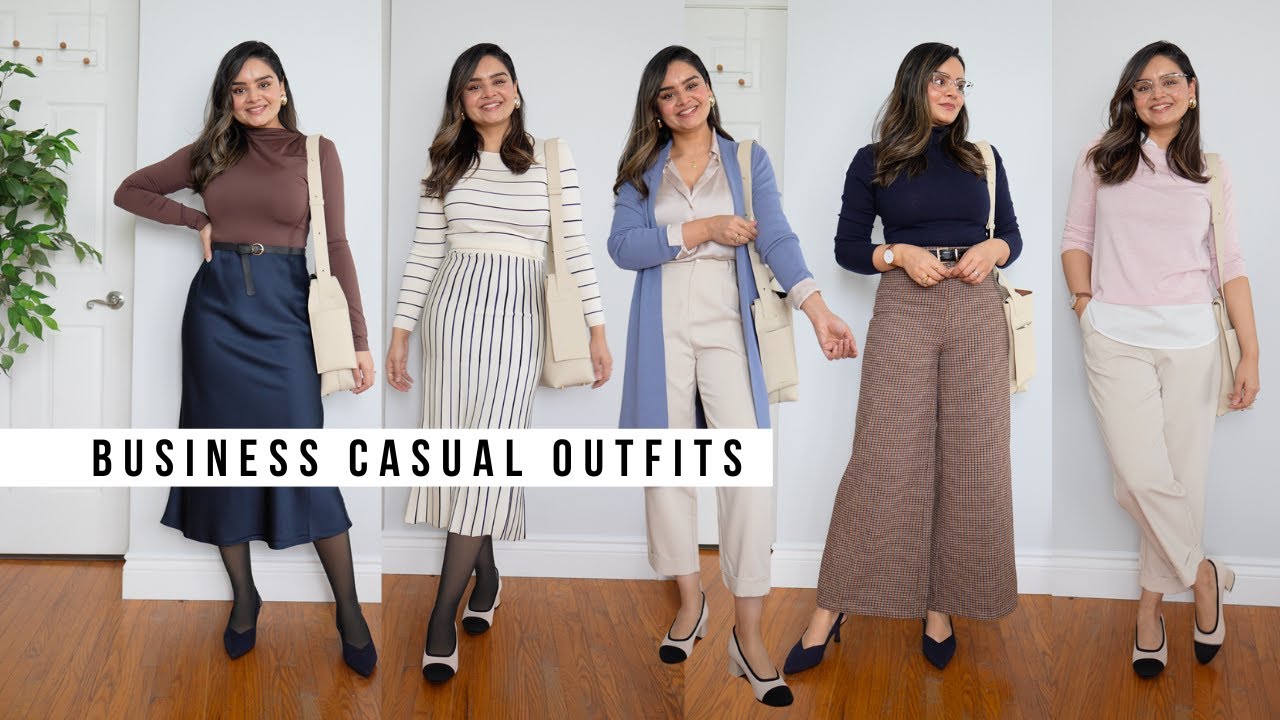
Smart casual office outfits women can wear should strike the right balance between professionalism and comfort. Today’s workplaces value flexibility, and dressing in a way that reads polished without feeling stiff is a daily superpower. This guide walks through more than 15 versatile outfit ideas, explaining the styling logic, who each look suits, fabric and color choices, and how to adapt for seasons and personal preferences.
Whether your office skews creative or corporate, smart casual is about intentional combinations: tailored pieces anchored with relaxed elements, clean silhouettes softened by texture, and shoes that support both style and long days. You’ll find options built around tailored trousers, knit tops, midi skirts, and thoughtful layering—plus practical notes on shoes, work bags, and upkeep.
Read on to discover looks that work across meetings, client visits, and hybrid days at home. Each outfit includes tips on fit, comfort, maintenance, and easy swaps to make it genuinely yours—respectful of different body shapes, cultural sensibilities, and climates. If you have persistent garment-fitting questions or need alterations, a tailor or stylist can provide personalized help.
Why it works: Tailored trousers give an instant professional silhouette, while a fine-gauge knit adds softness and ease. The result reads modern and office-appropriate without excess structure.
Who it suits: Almost everyone—pick a trouser rise and leg shape that flatter your proportions (mid-rise for balance, straight or slightly tapered legs for most body types). Petite silhouettes may prefer cropped hems; tall figures can opt for full length.
Color & fabric notes: Navy, charcoal, or camel wool-blends feel polished; lightweight gabardine or crepe works for warmer climates. Choose merino, silk blends, or cotton-silk knits to avoid bulk.
Comfort & maintenance: Knits are breathable; trousers in stretch-wool blends move with you. Dry-clean or gentle machine wash as per fabric—invest in a steamer to keep trousers crisp between cleanings.
Season & adaptation: Layer with a lightweight blazer in cooler months or swap the knit for a sleeveless shell when it’s warm. Add loafers or low-block heels depending on mobility needs.
Why it works: The midi skirt is inherently versatile—polished yet feminine. Pairing it with a structured shirt balances formality with approachability.
Who it suits: Great for those who want a softer silhouette; A-line or pleated midis work well for pear shapes, while straight or wrap midis flatter rectangular bodies.
Color/fabric/shape: Choose stable fabrics like cotton-sateen, mid-weight silk, or ponte for year-round wear. Neutral skirts (black, tan, olive) allow for patterned shirts and vice versa.
Comfort: Elastic waistbands or stretch side panels add comfort for long days. Shirt fabrics with a touch of stretch prevent pulling when tucked.
Adaptation: For colder months, add tights and ankle boots; in summer, switch to light linen shirts and sandals. Un-tuck the shirt slightly for a more relaxed meeting-free day.
Why it works: The knit vest adds texture and modern interest without compromising professionalism. It’s a lightweight way to layer and create shape.
Who it suits: Ideal for those who enjoy contemporary trends but need to stay polished—especially flattering on straight or hourglass figures when layered correctly.
Colors & fabrics: Neutrals keep it office-safe; try a subtle pattern or contrasting trim for personality. Choose vests in fine wool or cotton blends.
Comfort & maintenance: Vest layering is breathable. Follow care instructions for knits and blouses; delicate cycles or hand-wash protect shape.
Season & occasion: Swap a long-sleeve blouse for a short-sleeve version in summer. This look translates well for meetings that are formal but not rigid.
Why it works: Wide-leg trousers feel modern and provide ease of movement. Pairing them with a fitted top maintains proportion and avoids being overwhelmed by fabric.
Who it suits: Best for taller or long-legged figures, though cropped wide-legs can suit petites when paired with heels. Curvy bodies can select high-rise cuts to highlight the waist.
Fabric & color: Look for structured fabrics that hold a clean line—crepe, suiting blends, or lightweight wool. Monochrome tones elongate the silhouette.
Comfort & maintenance: Breathable weaves and partial lining keep them wearable. Press seams as needed to maintain a tailored look.
Adaptation: Tuck in a silky blouse for meetings; swap to a knit turtleneck in cool weather. A belt can define the waist when desired.
Why it works: A wrap dress is universally flattering and requires minimal styling, while a blazer elevates it to office-appropriate.
Who it suits: Excellent for diverse body shapes; adjustable wrap ties help customize the fit across bust and waist.
Color/fabric/shape: Choose mid-weight jersey or ponte for ease; silk wraps for more formal days. Solid colors or subtle prints keep it professional.
Comfort & maintenance: Jersey is forgiving and easy to care for; silk needs more attention. Blazers in stretch blends improve comfort.
Season & adaptation: Add tights and closed-toe pumps in winter; in summer, skip the blazer and add a lightweight cardigan.
Why it works: Cropped jackets modernize suiting by shortening the visual line, making the outfit feel contemporary while remaining structured.
Who it suits: Works well for those wanting a defined waistline—pair with high-waist trousers to elongate the legs.
Fabric & color: Match fabrics for a coordinated set, or choose tonal contrasts (e.g., cream jacket, taupe trousers) for interest. Structured suiting fabrics like wool blends maintain shape.
Comfort & maintenance: Cropped jackets can be layered without bulk; select linings that breathe. Tailoring may be required for perfect sleeve length.
Season & adaptation: This look transitions well across seasons; swap trousers for a midi skirt in spring.
Why it works: Culottes combine the ease of a skirt with the practicality of trousers—ideal for active office days.
Who it suits: Suitable for a variety of shapes depending on culotte length and waist placement—mid-calf lengths work for most heights.
Fabric & color: Crepe, satin-backed crepe, or sturdy cotton blends keep culottes looking tailored. Keep proportions balanced with a fitted top.
Comfort & maintenance: Culottes are comfortable for sitting and walking; pleats should be pressed to maintain a polished silhouette.
Adaptation: Dress up with heeled mules or down with clean white sneakers for relaxed Fridays.
Why it works: A monochrome base reads refined and elongating; a single pop of color (bag, shoe, or accessory) injects personality without risking office appropriateness.
Who it suits: Universally flattering and simple to execute—great for those who prefer a minimal wardrobe.
Color/fabric/shape: Stick to tonal palettes—camel, cream, and chocolate; slate greys; or navy. Accent with jewel tones or a bold print on a scarf.
Comfort & maintenance: Monochrome dressing simplifies outfit planning and often uses classic, durable fabrics. Rotate pieces to manage wear.
Adaptation: Swap the accent piece seasonally—deep burgundy in fall, coral in spring—to keep looks current.
Why it works: A fitted knit dress is comfortable while maintaining a streamlined look. Adding a belt defines the waist; low boots ground the outfit.
Who it suits: Great for cooler months and for those who value ease—choose length and fit according to body proportions.
Fabric & color: Wool blends, heavy jersey, or ponte provide structure. Neutral shades and rich autumnal tones work well for office settings.
Comfort & maintenance: Knits need gentle care to avoid stretching. Rotate dresses to maintain shape and use a sweater stone to tackle pilling.
Adaptation: Layer with a long coat for winter or a blazer for meeting days. Swap boots for loafers or ankle-strap flats in warmer weather.
Why it works: The combination is feminine and professional. Pleats add movement; silk elevates the overall feel without stiffness.
Who it suits: Suits a range of body types—the pleats disguise hips while silk drapes nicely over the bust.
Fabric & color: Silk or silk blends for blouses; polyester or wool-blend pleated skirts hold pleats better across seasons.
Comfort & maintenance: Silk requires delicate care. Many modern silks or viscose blends offer easier laundering while preserving drape.
Adaptation: Tuck in the blouse for formal settings, or tie a loose knot for a modern casual nod on hybrid days.
Why it works: When denim is allowed, pairing clean, dark jeans with a blazer creates a smart casual look that feels both grounded and polished.
Who it suits: Ideal for creative workplaces or casual client meetings. Choose straight or slightly tapered cuts for a tailored vibe.
Fabric & color: Dark indigo or black denim in rigid or stretch blends that retain shape. Avoid distressed washes.
Comfort & maintenance: Denim is durable; blazers in stretch-wool blends improve comfort. Press seams and hems for a sharp finish.
Adaptation: Dress up with loafers or ankle boots; throw on a silk scarf for extra polish.
Why it works: Layering a crisp shirt under a crewneck or fine turtleneck creates depth and a tailored feel without the weight of a blazer.
Who it suits: Great for transitional seasons; particularly flattering on rectangular and inverted-triangle body types who benefit from added structure around the torso.
Fabric & color: Lightweight cotton shirts with merino or cashmere blends for tops. Neutral underlayers work best; choose a shirt in a complementary hue.
Comfort & maintenance: Thin layers breathe well; watch for friction at the collar—pick soft fabrics to avoid irritation.
Adaptation: Remove outer layer for warmer afternoons or add a blazer over both for formal meetings.
Why it works: A shirt dress reads polished and is easy to wear; belting it creates shape and prevents it from looking too casual.
Who it suits: Very versatile—choose lengths and sleeve styles that match your comfort level. Midi lengths are office-friendly.
Fabric & color: Poplin, crisp cotton, or heavier rayon blends maintain the shirt-like structure. Classic stripes and solids are office-safe.
Comfort & maintenance: Choose fabrics that can be machine washed or steamed. Belts can be swapped to change the outfit’s formality.
Adaptation: Roll up sleeves for casual days; add a blazer or wool coat for meetings or colder weather.
Why it works: Incorporating South Asian elements—like tailored kurta silhouettes, high-collared shirts, or embroidered trims—offers individuality while staying office-appropriate when balanced with neutral pieces.
Who it suits: Excellent for women who want cultural resonance in their workwear without compromising on a polished look.
Fabric & color: Choose lightweight cotton-silk blends or fine linen for kurtas. Pair with tailored trousers or straight-leg pants in complementary tones.
Comfort & maintenance: Natural fabrics breathe well; delicate finishes may require gentle care. Keep embroidery minimal for conservative offices.
Adaptation: Layer a cropped blazer over a kurta for formal settings, or opt for ankle-length trousers and closed-toe flats for a hybrid of traditional and Western workwear.
Start with your workplace’s dress code and the most common activities in your day—client meetings, site visits, or desk work will influence practical choices. Assess your body shape and comfort priorities: do you prefer structured waists, flowing silhouettes, or sets that minimize thinking in the morning?
Think in capsules: pick two or three neutral bases (navy, tan, black, or grey) and add a few versatile garments like tailored trousers, a midi skirt, and a blazer. From there, incorporate 2–3 accent pieces (a patterned blouse, a knit vest, or a colored bag) that brighten combinations without overwhelming them.
Fit matters more than labels. Tailoring simple trousers or hemming a skirt can transform an outfit. Prioritize fabrics that work with your climate and care routine—wool blends for cooler months, linens and lightweight silks for heat. Finally, choose shoes and a bag that support your commute and daily tasks; a slightly elevated heel is fine if it’s comfortable for your schedule.
Shoes and bags finalize a smart casual outfit and should reflect both style and practicality. For footwear, polished loafers, pointed-toe flats, low-block heels, and sleek ankle boots are classic choices. Opt for leather or high-quality vegan alternatives with cushioned insoles for comfort. Match shoe color to your outfit’s palette—nude tones elongate, black grounds, and deep browns or oxbloods add warmth.
Work bags should be structured enough to carry essentials—laptop sleeve, compartments for documents, and a small pocket for daily items. Tote bags with a zip offer security; satchels or structured crossbodies can be good for lighter commutes. Consider a bag in a neutral shade with one accent option for variety. For hybrid workers, a stylish backpack with internal organization can be efficient while keeping hands free.
Maintenance tips: wipe leather after use, rotate bags to prevent premature wear, and use bag organizers to keep interiors tidy, preserving both function and appearance.
Adapting smart casual outfits across seasons hinges on fabric choices. Spring/Summer: prioritize breathable fabrics—linen blends, cotton-sateen, lightweight silk, and fine jersey. Choose lighter colorways and unlined blazers for ventilation. Fall/Winter: transition to wool blends, heavier crepes, and ponte; layer with cashmere or merino for warmth. For climates with wide temperature swings, focus on layerable pieces (vests, thin knits, and blazers) that can be added or removed easily.
Care consideration: heavier fabrics usually require seasonal storage and occasional professional cleaning. Lightweight, easy-care fabrics allow more frequent machine washing—perfect for busy lifestyles.
Start with a neutral foundation—navy, black, tan, or grey—then introduce color thoughtfully. Work-safe patterns include subtle stripes, micro-prints, or tonal plaids. Prints are best balanced against a solid piece to avoid visual clutter: patterned midi skirt + neutral blouse, or printed blouse + solid trousers.
Contrast and proportion are important: use darker bases with lighter tops to draw attention upward, or vice versa to emphasize other areas. If you’re experimenting, introduce color through accessories first—scarves, belts, or a vibrant bag—before committing to larger garments.
Casual office days: relax by swapping heels for clean sneakers or polished loafers, and choose softer fabrics.
Client meetings or presentations: opt for structured tailoring, muted palette, and closed-toe shoes. Keep accessories minimal and polished.
Company events or after-work networking: elevate a smart casual base with a statement blazer, a silk blouse, or a bold shoe.
Hybrid work: focus on layers that look polished on camera—structured tops, unwrinkled blouses, and fine-gauge knits. Keep a blazer handy for video calls.
Quality over quantity is foundational. Select durable fabrics and invest in key pieces—a well-cut blazer, one pair of exceptional trousers, and a reliable pair of shoes. Follow garment care: proper storage, regular steaming, and spot cleaning extend life. Rotate items to avoid repeated stress on seams and hems. For long-term wear, find a local tailor for adjustments and repairs; a small hem or seam repair is less expensive than replacement.
If you have specific wardrobe concerns—persistent pilling, recurring fit issues, or fabric allergies—consult professionals: a tailor for fit, a textile specialist for fabric advice, or a dermatology professional for skin sensitivities related to clothing materials.
Smart casual office outfits women rely on are versatile investments. By combining tailored trousers, knit tops, midi skirts, and thoughtful layering, you can create looks that are comfortable, modern, and polished. Prioritize fit, fabric quality, and purposeful accessories, and don’t underestimate the power of simple maintenance—A well-steamed blazer or neatly pressed trousers dramatically improve perceived effort. Build a capsule from these ideas, tailor pieces to your body and schedule, and you’ll have a reliable wardrobe for any workday.
FAQ
Q1: What are the essential pieces to build a smart casual office wardrobe?A1: Start with tailored trousers, a midi skirt, a structured blazer, a versatile dress, a couple of blouses or fine knits, and two reliable shoe styles (loafers and low heels or ankle boots). Add a structured work bag.
Q2: Can I wear jeans as part of smart casual office outfits?A2: Yes—if your workplace permits denim, choose dark, non-distressed, well-fitting jeans paired with a blazer or silk blouse to keep the look polished.
Q3: How do I make a smart casual outfit comfortable for all-day wear?A3: Choose fabrics with a gentle stretch, ensure proper fit (consider tailoring), select supportive shoes with cushioned insoles, and layer so you can adapt to temperature changes.
Q4: How should I care for delicate fabrics like silk and wool in my work wardrobe?A4: Follow care labels: many silk pieces need handwash or delicate cycles and wool-blend blazers often require dry cleaning. Use steam instead of ironing and store garments properly to preserve shape.
Q5: How can I incorporate cultural or ethnic elements while keeping outfits office-appropriate?A5: Integrate subtle elements—tailored kurtas with trousers, embroidered trims in small doses, or patterned scarves—paired with neutral, structured pieces to balance tradition with workplace standards.