Physical Address
304 North Cardinal St.
Dorchester Center, MA 02124
Physical Address
304 North Cardinal St.
Dorchester Center, MA 02124

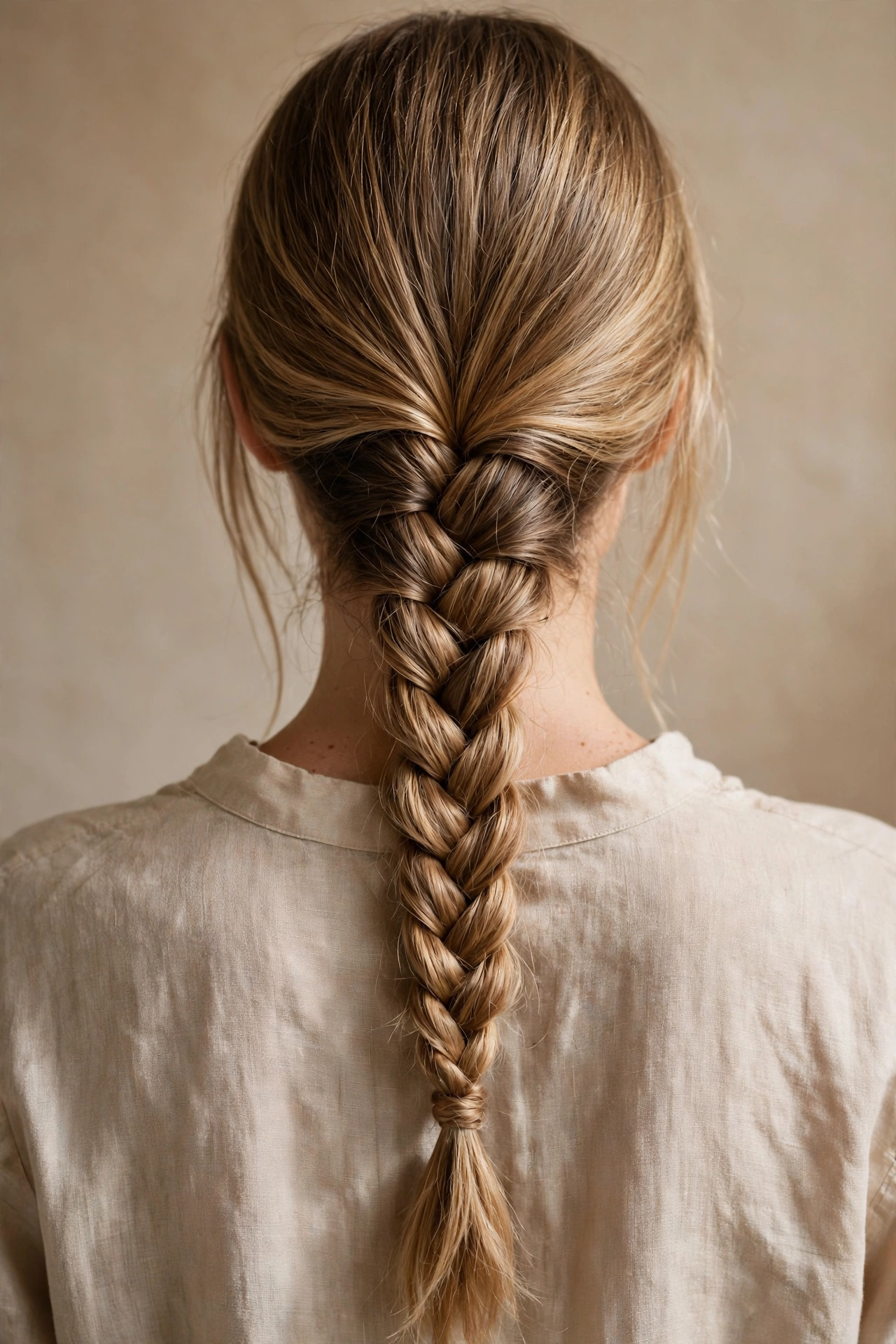
A French braid is easier than it looks once the three-strand pattern is clear. Beginner steps, hand placement, and fixes for braids that loosen or go uneven.
A French braid looks complicated, but it is only a three-strand braid with small sections added as you go. Once your hands learn the pattern, it becomes one of the most reliable everyday styles, because it holds hair back all day without heat or heavy product.
Start with brushed, slightly textured hair. Very slippery, freshly washed hair is harder to grip; a little dry shampoo at the roots can help.
Take a section at the front of the head and split it into three equal strands: left, middle, and right. Cross the right strand over the middle, then the left strand over the new middle. That is the basic pattern for the whole braid.
Before each cross, add a small section of loose hair to the strand you are about to cross over. Keep the added sections small and even — large, uneven sections are what make a beginner braid look lopsided.
Pull each cross with the same gentle tension. Too tight hurts and pulls the hairline; too loose lets the braid slip out by midday.
When you run out of loose hair to add, continue with a normal three-strand braid to the ends and tie it off. Gently pull the outer edges of the braid a little wider if you want a softer, fuller look.
If you want a style that needs no braiding at all, try the bubble braid ponytail in this batch, or the easy messy bun for days when you want speed over structure. Also try the half-up half-down curly bun, and the claw-clip styles for another quick option.